Government Implements Bold Austerity Measures: 30% Salary Cuts and Friday WFH Announced
Published by VerseZip News Desk
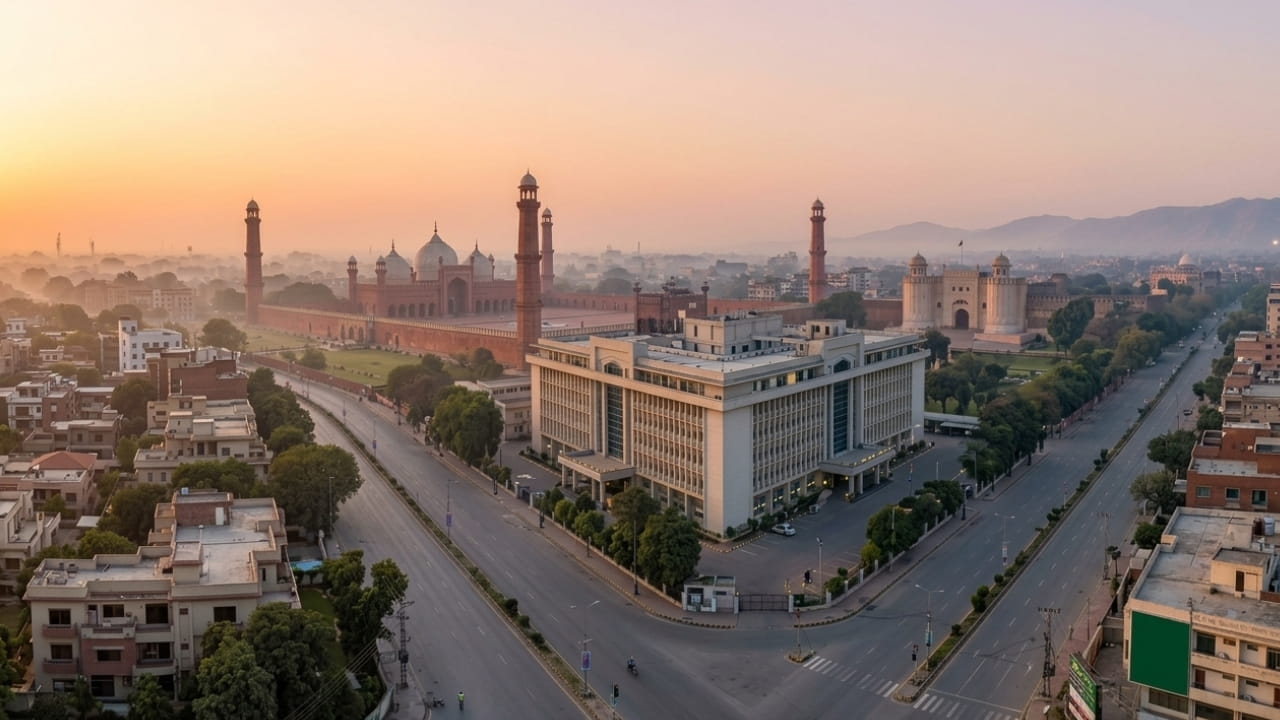
In a highly decisive move aimed at protecting the national economy, the federal government of Pakistan has officially announced a series of strict new austerity measures. With global oil prices surging rapidly due to the ongoing conflict in the Middle East, the state has decided to cut its own expenses to shield the common citizen from the worst of the economic fallout.
The strategy is clear: reduce government spending, conserve energy, and ensure that the country's limited resources are utilized efficiently. Instead of simply raising taxes or shifting the entire burden onto the public, the administration is enforcing rigid financial discipline starting from the very top.
Massive 30% Salary Cuts for Top Officials
One of the most praised aspects of this new policy is the direct financial cut at the executive level. The government has mandated an immediate salary reduction of up to 30% for the highest-ranking officials, CEOs, and directors working within State-Owned Enterprises (SOEs).
For years, there has been public criticism regarding the heavy salaries and luxury perks enjoyed by officials in government-run corporations, especially those running at a loss. By slashing these high-end salaries, the government aims to save billions of rupees annually. This move sends a powerful message to the public that in times of global economic distress, sacrifices must be a shared responsibility, starting with the highest earners in the public sector.
Friday Work-From-Home (WFH) for Provincial Departments
In addition to salary cuts, the government is tackling the heavy cost of imported oil and domestic electricity consumption head-on. A new digital work-from-home (WFH) model has been introduced for all provincial government departments specifically on Fridays.
Why Friday? By keeping massive government secretariats, offices, and administrative buildings closed for a three-day weekend (Friday to Sunday), the state expects to see a massive reduction in electricity usage. Furthermore, keeping government vehicles and commuting employees off the roads will drastically cut down national fuel consumption. This policy not only saves money but also promotes a modern, digitized working environment within the government sector.
"When international markets shake, it is the duty of the state to tighten its own belt first. These austerity measures are tough, but they are essential to protect our economy from the shockwaves of the Middle East conflict."
The Root Cause: The Middle East Conflict
To understand why these strict measures are happening now, we must look at the global geopolitical landscape. The ongoing and escalating tensions in the Middle East have severely disrupted international shipping lanes and oil supply chains. As a result, the cost of crude oil per barrel has skyrocketed globally.
Pakistan relies heavily on imported oil to keep its industries running, generate electricity, and fuel its transport sector. When global oil prices jump, the country's import bill inflates massively, putting intense pressure on foreign exchange reserves. By implementing these bold austerity steps, the government is taking proactive measures to prevent an economic crisis before it truly hits the local markets.
Key Highlights of the Austerity Policy:
- Executive Pay Cuts: Up to a 30% reduction in salaries for top officials in State-Owned Enterprises (SOEs).
- Energy Conservation: Mandatory Work-From-Home (WFH) on Fridays for provincial departments to save electricity.
- Fuel Savings: Reducing traffic on Fridays to cut down on the national consumption of expensive imported oil.
- The Catalyst: These emergency measures are a direct response to soaring global oil prices triggered by the Middle East conflict.
What to Expect Next?
Economic analysts have warmly welcomed the decision, calling it a much-needed step toward long-term financial discipline. The real challenge, however, will be the strict implementation and monitoring of these policies across all provinces. If executed properly, these austerity measures could save the national exchequer billions, offering a vital financial cushion during this period of global economic uncertainty.
Share this News Report:
Leave a Comment
Your feedback is important to us. Submitted comments are kept private and are for internal review only.