Pakistan and Germany Seal €18 Million Agreement to Boost Renewable Energy in Northern Regions
Published by VerseZip News Desk
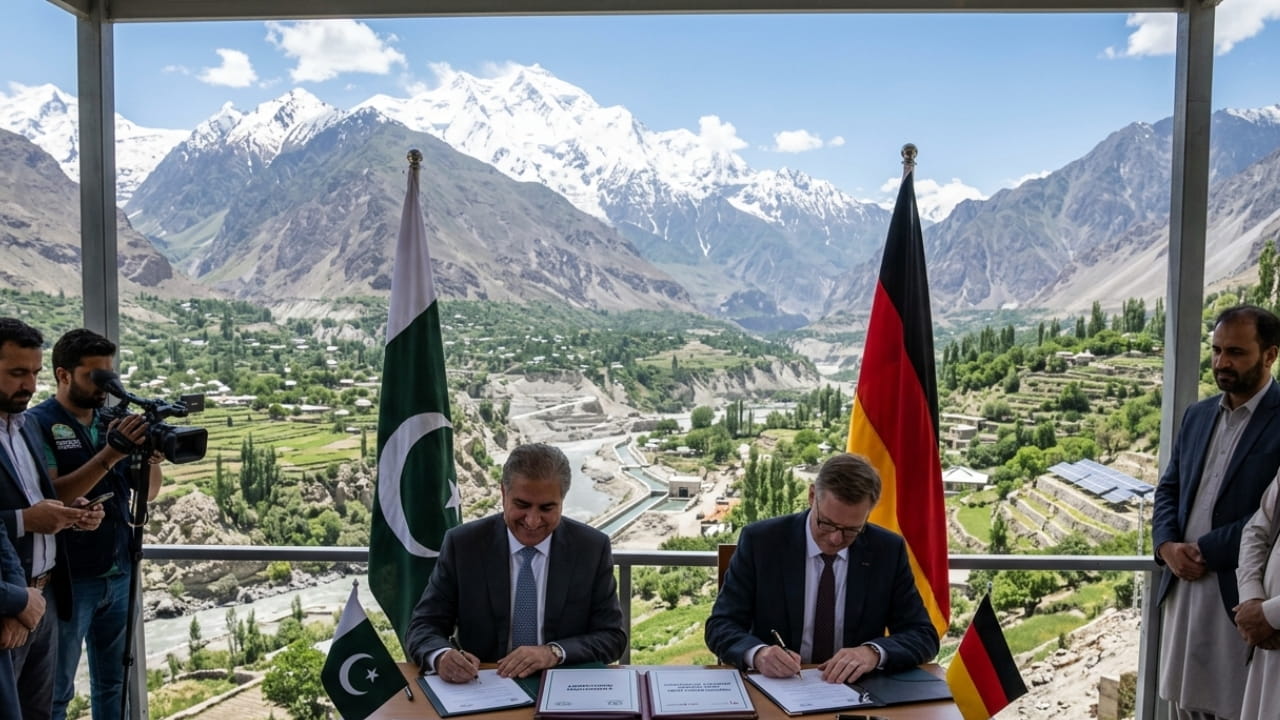
In a highly significant diplomatic and economic milestone, the Pakistani government has officially signed an €18 million financial agreement with Germany’s state-owned KfW Development Bank. This major grant is exclusively dedicated to aggressively promoting renewable energy infrastructure across the country, marking a vital step forward in Pakistan’s transition toward a greener economy.
As climate change and energy crises continue to pose severe challenges to developing nations, international collaborations like this are more critical than ever. The newly signed pact underscores Germany's ongoing commitment to supporting Pakistan's climate resilience and economic stability through sustainable, long-term investments.
A Strategic Focus on Northern Pakistan
The core focus of this €18 million grant is distinctly geographical. The funds have been carefully earmarked for the expansion of hydropower facilities and other clean energy initiatives specifically located in the northern regions of Pakistan.
Northern Pakistan, blessed with an abundance of fast-flowing rivers and elevated terrains, holds immense, largely untapped potential for hydroelectric power generation. By directing the investments here, both nations aim to harness this natural topography to generate cheap, reliable, and entirely eco-friendly electricity that can be seamlessly integrated into the national grid.
"This partnership with KfW Development Bank is not just a financial transaction; it is a shared vision for a sustainable future. By unlocking the hydropower potential of our northern regions, we are taking decisive action against both our energy shortfall and our carbon footprint."
Addressing Regional Energy Shortages
For decades, regional energy shortages have stifled industrial growth and severely impacted the daily lives of citizens in remote and urban areas alike. The primary goal of this newly funded initiative is to directly address these systemic power deficits.
By replacing expensive, imported fossil fuels with indigenous clean energy, the government hopes to stabilize the energy supply chain. This will not only reduce the frequency of power outages but also significantly lower the long-term cost of electricity generation, easing the economic burden on both the state and the consumer.
Key Highlights of the Agreement:
- Financial Commitment: A total grant of €18 million provided by Germany's KfW Development Bank.
- Primary Focus: Expansion of hydropower and clean energy infrastructure.
- Target Region: Northern Pakistan, utilizing its natural river systems.
- Strategic Goals: Alleviating regional energy shortages and promoting environment-friendly, sustainable economic development.
The Broader Impact on Sustainable Development
Beyond merely keeping the lights on, this agreement represents a broader commitment to sustainable development goals (SDGs). Establishing environment-friendly solutions helps Pakistan honor its international climate commitments by actively reducing greenhouse gas emissions. Furthermore, these large-scale infrastructure projects are expected to generate thousands of local jobs in the northern areas, stimulating regional economies and improving the overall standard of living for local communities.
As the project transitions from paper to practical implementation in the coming months, it will serve as a benchmark for how international diplomacy and targeted climate finance can successfully solve domestic economic challenges.
Share this News:
Leave a Comment
Your feedback is important to us. Submitted comments are kept private and are for internal review only.