Summer Nosebleeds in Pakistan 2026: Why Heat Causes Epistaxis and When to Worry
Published by VerseZip Health Desk
Medically reviewed by ENT specialists
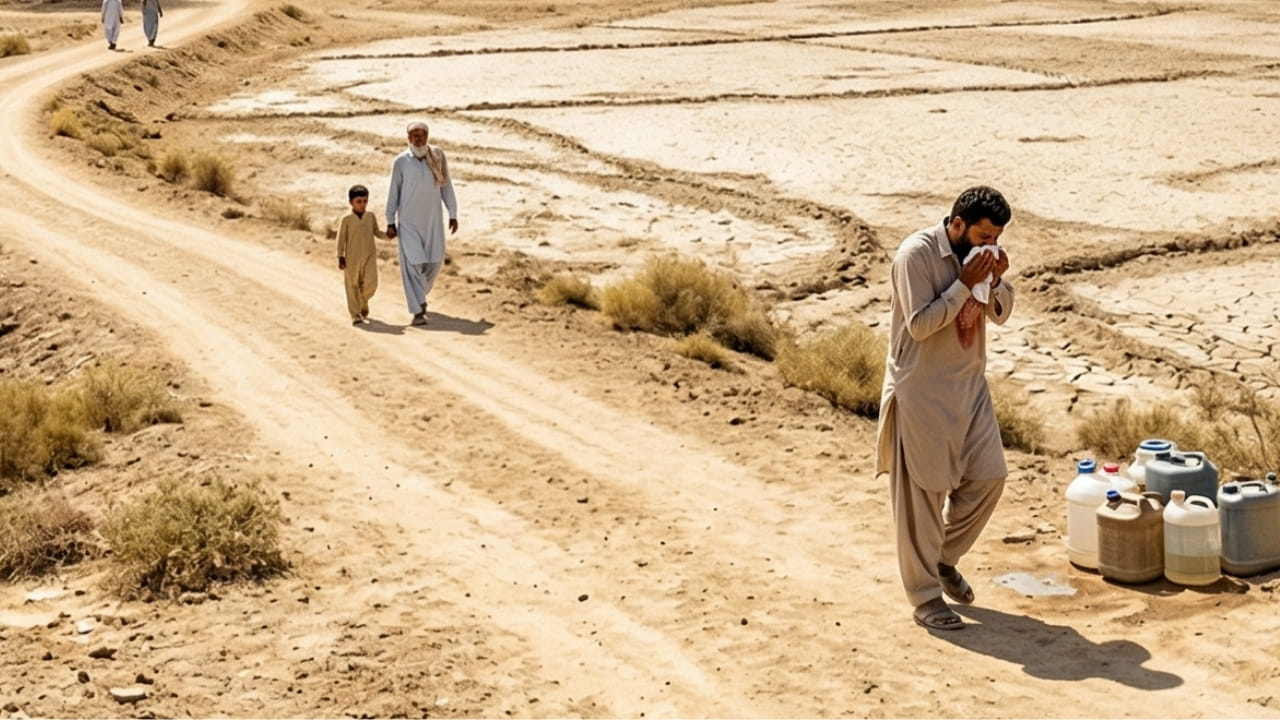
You are sitting in your living room in Lahore or Karachi. The AC is struggling against the 42°C heat outside. Suddenly, you feel a tickle in your nose, and then, drip. Blood.
If this sounds familiar, you are not alone. Right now, hospitals in Rawalpindi, Islamabad, and across Punjab are reporting a sharp rise in patients walking in with sudden nosebleeds. But here is the good news. In most cases, this is not a disease. It is just your body reacting to the heat.
Is It Just the Heat? Usually, Yes
You might be worried that a nosebleed means high blood pressure or a tumor. For 90 per cent of people walking into clinics right now, the culprit is simply the weather.
Your nose is full of tiny blood vessels called capillaries that are almost paper-thin. Normally, a layer of moist mucus protects them. But when the summer heat hits Pakistan, two things happen. The air dries out, causing humidity to drop, which turns the soft lining of your nose into dry, cracked leather. Additionally, heat causes blood vessels to expand, and when they expand, they become fragile and burst easily, sometimes just from breathing.
Common Summer Triggers Doctors See Daily
- Dehydration: Not drinking enough water makes your blood vessels brittle.
- AC Overload: Air conditioners suck moisture out of the room. Sleeping with the AC blasting all night dries out your nasal passages.
- Nasal Irritation: Dry noses itch. When they itch, children and adults pick them. This is the most common cause of bleeds in children.
First Aid: The 10-Minute Rule
This is urgent because many people do this wrong. If you tilt your head back, the blood does not stop. It just runs down the back of your throat, causing nausea, choking, or vomiting blood, which is terrifying but usually not dangerous.
| Step | Action | Why It Matters |
|---|---|---|
| 1 | Sit Up Straight | Keep your head above your heart to reduce blood pressure in nasal vessels |
| 2 | Lean Forward | Lean your head down slightly so blood drains out, not down your throat |
| 3 | Pinch the Soft Part | Do not pinch the bony bridge. Pinch the soft fleshy part of your nose just below the bone |
| 4 | Hold for 10 to 15 Minutes | Hold firmly without stopping to check. Let the clot form |
Pro Tip: If the bleeding has not stopped after 15 minutes of continuous pressure, it is time to head to the nearest emergency room or urgent care.
Why Are Kids Bleeding So Much?
If you have children under 10, you are probably dealing with this frequently. Pediatricians confirm that children are the most affected group during summer.
- Sensitive Membranes: A child's nasal lining is thinner and more sensitive than an adult's.
- Constant Motion: Kids run in the heat, get dehydrated faster, and have the habit of sticking fingers or toys up their noses.
- Allergies: Summer allergies cause kids to rub their noses constantly, irritating the vessels.
Prevention: How to Survive the Heatwave
- The Petroleum Jelly Trick: Apply a tiny amount of Vaseline or olive oil just inside the nostrils using a cotton swab before bed. This traps moisture and prevents the morning crack.
- DIY Humidifier: Place a bowl of water in your bedroom near the AC vent. As the water evaporates, it adds moisture to the dry air.
- Stay Cold Inside: Avoid going outside between 11 AM and 3 PM. If you must go out, wear a cap or use an umbrella.
- Hydration is Medicine: Drink water even if you are not thirsty. Dehydration is the silent killer of nasal health.
The Red Flags: When a Nosebleed Is Dangerous
While most nosebleeds are harmless, you should see a doctor immediately if any of the following occur.
| Warning Sign | Why It Matters |
|---|---|
| Bleeding lasts longer than 30 minutes despite pressure | May require medical intervention to stop the bleed |
| Feeling lightheaded, dizzy, or weak | Could indicate significant blood loss |
| Bleeding started after a head injury | May indicate a skull fracture or internal bleeding |
| Blood in urine or bleeding gums | Could suggest a clotting disorder |
| Unexplained weight loss or bruising | May indicate an underlying medical condition |
Frequently Asked Questions
My child had a nosebleed yesterday and again today. Is this chronic?
Not necessarily. Once the scab forms, it is itchy. Kids often pick the scab off, causing a re-bleed. If you can keep the nose moist with Vaseline for five days, it will heal. Only worry if it happens three or more times a week every week.
Does eating heaty foods like mangoes or eggs cause nosebleeds?
Nutritionists say there is no direct link. ENT doctors note that heaty foods can increase body core temperature slightly. In a child who is already dehydrated, a hot curry might be the final trigger, but dryness is the real cause.
Is it safe to use nasal sprays in summer?
Yes, but use saline or salt water sprays, not medicated decongestants. Overusing decongestant sprays actually dries out the nose more and makes bleeding worse.
What if the blood is dripping down my throat instead of out my nose?
For adults over 50, if you get nosebleeds that start in the back of the nose and you have high blood pressure, consult a doctor. This is called a posterior bleed and is harder to stop.
The Bottom Line
Seeing blood is scary. But in the Pakistani summer of 2026, a nosebleed is usually just your body's version of a warning light. It is telling you that you are too hot, too dry, or too irritated.
Keep your nose moist, drink your water, and keep your head forward. If it stops in 10 minutes, you are fine. If it does not, or if you feel faint, do not wait. Go to the hospital.
Share this Health Advisory:
Leave a Comment
Your feedback is important to us. Submitted comments are kept private and are for internal review only.