PM Shehbaz Orders Nationwide Shift from Petrol to Electric Vehicles
Published by VerseZip Auto Desk
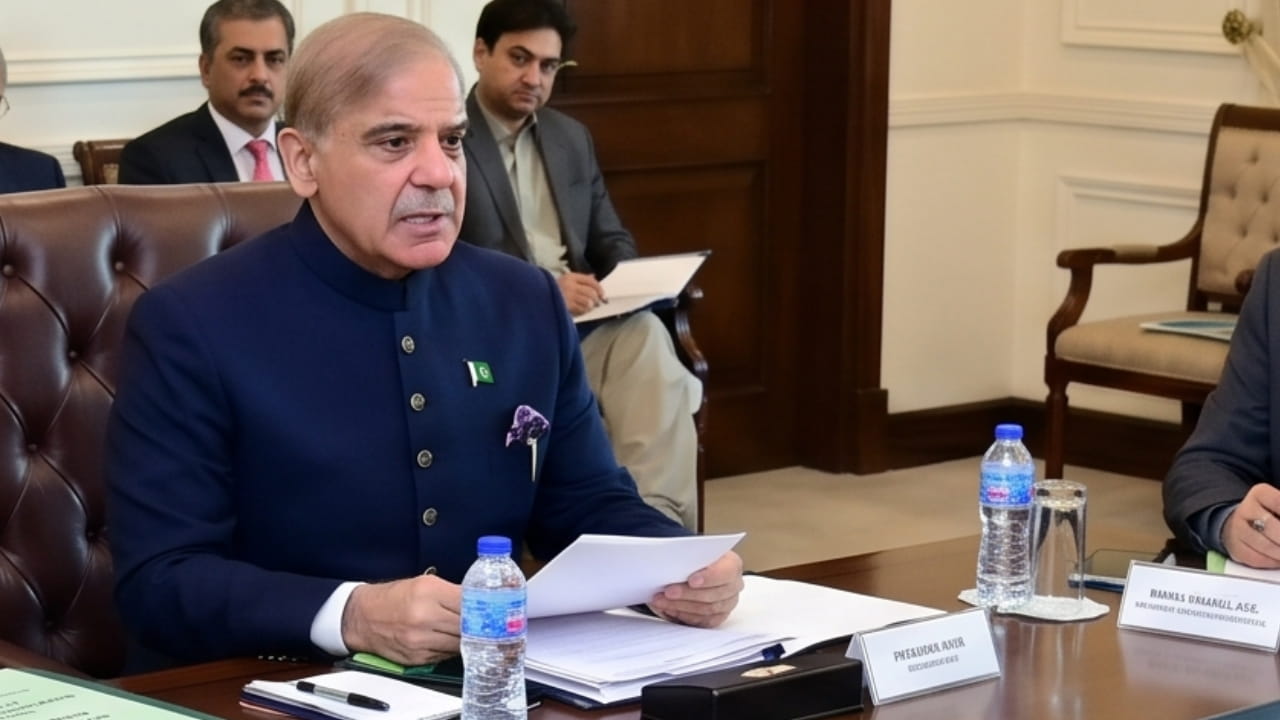
Prime Minister Shehbaz Sharif directed authorities to accelerate Pakistan's transition from petrol-powered engines to electric vehicles. The directive came during a high-level meeting on April 22, 2026, where officials reviewed the country's progress on electric mobility.
The prime minister made his position clear. Pakistan cannot afford to wait. The current regional situation and future energy demands require immediate action.
Why the Government Wants You to Switch to Electric
The prime minister outlined three main reasons for pushing electric vehicles across the country.
- Reduce the fuel import bill: Pakistan spends billions of dollars each year importing petrol and diesel. The government plans to shift 30 per cent of all vehicles to electric power within the next five years. This single move will save approximately $4.5 billion in fuel costs.
- Protect the environment: Petrol engines release carbon emissions that damage air quality. Electric vehicles produce zero emissions. Major cities across Pakistan suffer from severe air pollution. The prime minister called the shift to EVs extremely important for protecting the environment.
- Strengthen energy security: Pakistan relies on imported oil from other countries. Any disruption in global supply chains or increase in international prices directly hurts the national economy. Domestic electricity production gives Pakistan control over its transport energy needs.
Electric Vehicles: Current Manufacturing Certificates
| Vehicle Type | Certificates Issued |
|---|---|
| Electric Motorcycles | 72 |
| Electric Rickshaws | 72 |
| Electric Cars | 4 |
The government has also received 123 applications for establishing EV charging stations across the country.
Subsidies for Low-Income Groups
The prime minister ordered transparency in subsidy distribution for electric motorcycles targeting low-income individuals. He instructed authorities to speed up implementation of the scheme. The government aims to make electric bikes affordable for students, workers, and daily commuters who cannot pay the full price upfront. The subsidy program reduces the purchase price significantly.
Government employees up to Grade 16 will receive electric bikes on easy installments. This pilot program will test the installment model before expanding it to the general public.
Eligibility Criteria for Subsidies (PAVE Program)
| Applicant Category | Priority Level |
|---|---|
| Students | High |
| Women | High |
| Delivery Riders | High |
| Low-income individuals | High |
| Factory workers | Medium |
| Government employees (BPS-16 and below) | Medium |
Income requirements: Monthly income between Rs20,000 and Rs100,000. Applicants earning below Rs30,000 receive the highest priority.
The Current State of EV Adoption
The numbers tell an honest story. Pakistan still lags behind other countries in electric vehicle adoption. The government acknowledges this gap and wants to close it quickly.
EV Adoption: Where We Stand Now
- Current EV Charging Stations: Only 8 operational across Pakistan
- Target by 2030: 3,000 charging stations
- Interested Investors: More than 1,000 individuals have registered interest in setting up new charging points
- 30% EV Target: Government aims to shift 30% of all vehicles to electric power within five years
- Projected Annual Savings: $4.5 billion in fuel costs
The $4.5 Billion Saving Target
The numbers justify the government's urgency. Pakistan currently spends billions of dollars importing petroleum products. These imports drain foreign exchange reserves and make the economy vulnerable to global price shocks.
Projected savings from 30 per cent EV adoption: $4.5 billion saved annually in fuel costs. This saving does not include environmental benefits or reduced healthcare costs from lower air pollution. The economic case for electric vehicles grows stronger each year.
Subsidy Amounts Under PAVE Program
- Electric Motorcycles: Up to Rs80,000 subsidy per unit
- Electric Cargo Rickshaws: Up to Rs400,000 subsidy per unit
Frequently Asked Questions
When will electric bikes become available to the general public?
The government has launched the PAVE program. Applications are open through pavegov.com.pk. Government employees up to Grade 16 can access the scheme first. General public access will expand after the pilot phase.
How much subsidy does the government provide on electric bikes?
The government provides up to Rs80,000 subsidy on each electric motorcycle. For electric cargo rickshaws, the subsidy reaches Rs400,000.
What is the target for EV adoption in Pakistan?
The government aims to shift 30 per cent of all vehicles to electric power within the next five years.
How many EV charging stations currently operate in Pakistan?
Only eight EV charging stations are operational across the country. The government aims to install 3,000 stations by 2030.
Who qualifies for the electric bike subsidy?
Students, women, delivery riders, low-income individuals, factory workers, and persons with disabilities qualify. Applicants must have monthly income between Rs20,000 and Rs100,000.
How do government employees apply for electric bikes?
Employees up to BPS-16 grade should contact their department administration. The scheme offers easy installments with government subsidy.
How much money will Pakistan save by switching to EVs?
Shifting 30 per cent of vehicles to electric power within five years will save approximately $4.5 billion in fuel costs annually.
Where can I find official information about EV schemes?
Visit pavegov.com.pk for the Punjab government's PAVE program. For federal schemes, watch official announcements from the Prime Minister's Office and the Ministry of Energy.
The Bottom Line
Prime Minister Shehbaz Sharif ordered government departments to accelerate Pakistan's shift from petrol engines to electric vehicles. The transition aims to save $4.5 billion in fuel costs, protect the environment, and strengthen energy security.
The government has issued 72 manufacturing certificates for electric motorcycles and rickshaws. It has received 123 applications for charging stations. Government employees up to Grade 16 will receive electric bikes on easy installments.
Subsidies target low-income groups, students, and women. The government promises transparency in distribution and faster implementation of existing policies.
Pakistan still faces infrastructure gaps. Only eight charging stations operate nationwide. The government aims for 3,000 stations by 2030. Private investment and bank financing will determine how quickly the country meets this target.
For now, the direction is clear. Pakistan is moving away from petrol and toward electricity. The prime minister wants this shift to happen urgently, not gradually.
Share this Auto Update:
Leave a Comment
Your feedback is important to us. Submitted comments are kept private and are for internal review only.