HEC NSCT Results 2026 Expose National IT Skill Levels
Published by VerseZip Education Desk
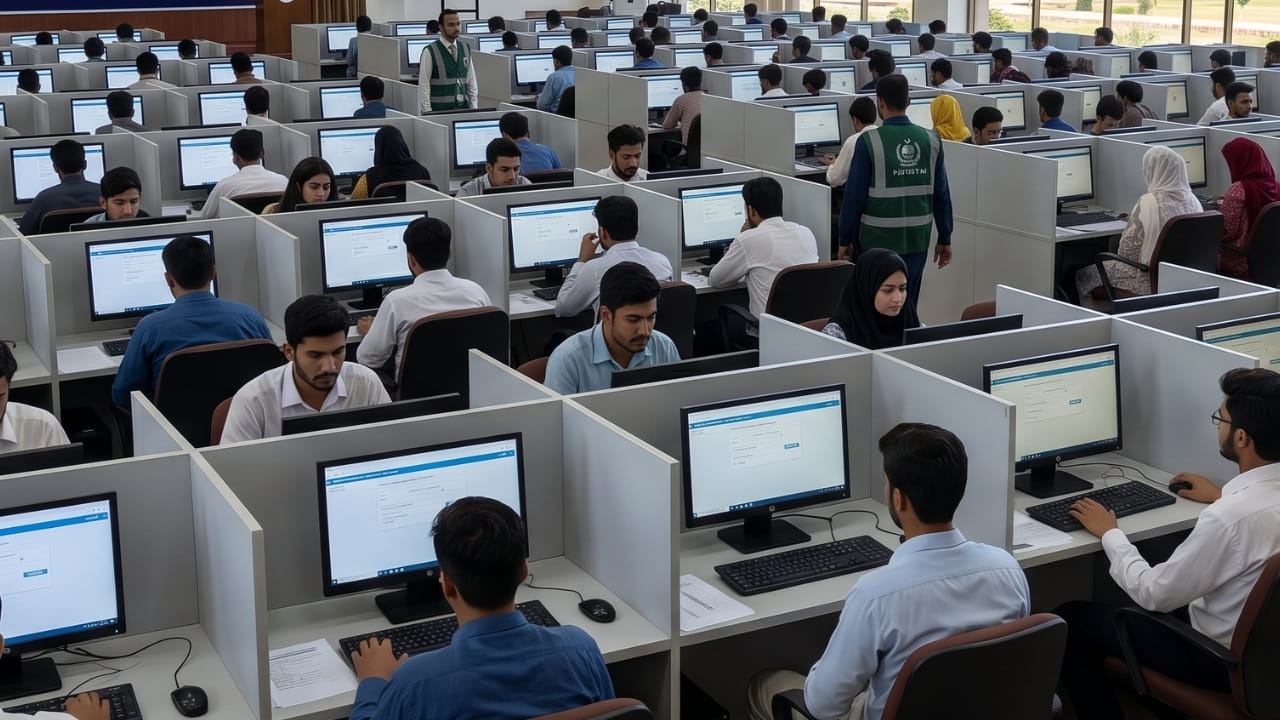
The Higher Education Commission (HEC) officially released the HEC NSCT results 2026 for Pakistan's first nationwide technology assessment. Over 33,000 university students took this massive computer science examination between April 4 and April 5, 2026. The National Skills Competency Test (NSCT) gives government officials a clear picture of exactly what young software engineers know. Technology companies will use this specific data to find the most capable graduates for high-paying jobs.
Testing the Next Generation of IT Professionals
More than 40,000 university students from 188 different institutions originally registered to take this benchmark examination. The Virtual University of Pakistan administered the digital test across 165 specialized testing centers located in 112 cities. Only students currently enrolled in their seventh or eighth semester of a recognized computing degree program could participate. The assessment evaluated critical knowledge areas designed by the Pakistan Software Houses Association (P@SHA).
Key Facts at a Glance
High Scores in Web Development and Artificial Intelligence
The official data reveals that Pakistani students excel primarily in building websites and creating smart algorithms. Test takers demonstrated an impressive 54.1 percent proficiency rate in basic web development skills. Artificial intelligence and machine learning followed closely behind, capturing a 50.8 percent national success rate. Students also showed solid foundational knowledge in general software engineering, scoring exactly 50.1 percent on that specific section.
Identifying Critical Weaknesses in Cyber Security
While students perform well in web design, the HEC NSCT results 2026 highlight severe knowledge gaps in infrastructure and security. The national average dropped to a concerning 47.2 percent for the cyber security portion of the exam. Database systems and data structures saw even lower scores, resting at 42.3 percent and 40.2 percent respectively. Operating systems recorded the absolute lowest national average, with students scoring only 33.8 percent.
| Subject Area | National Average Score | Performance Level |
|---|---|---|
| Web Development | 54.1% | Highest |
| Artificial Intelligence / Machine Learning | 50.8% | High |
| Software Engineering | 50.1% | Average |
| Cyber Security | 47.2% | Below Average |
| Database Systems | 42.3% | Low |
| Data Structures | 40.2% | Low |
| Operating Systems | 33.8% | Lowest |
Regional Performance and Provincial Pass Rates
Location played a major factor in how well students performed on the technology assessment. The Islamabad Capital Territory secured the highest regional pass rate, with 52.9 percent of candidates successfully clearing the exam. Sindh province claimed the second position with a 42.0 percent pass rate, while Punjab followed slightly behind at 39.4 percent. Balochistan recorded the lowest performance metric, achieving a 29.0 percent clearance rate among its university participants.
| Region / Province | Pass Rate | Ranking |
|---|---|---|
| Islamabad Capital Territory | 52.9% | 1st |
| Sindh | 42.0% | 2nd |
| Punjab | 39.4% | 3rd |
| Balochistan | 29.0% | 4th |
Shaping the Future of University Education
The government plans to use these specific test scores to completely rebuild local university curriculums. Universities that consistently produce low-scoring students must update their teaching methods to meet modern industry standards. High-achieving students will receive a joint certification from the HEC and the Pakistan Software Export Board (PSEB). This official certificate grants top performers priority access to lucrative internships and international career opportunities.
Key Takeaways from NSCT 2026
- Web Development: 54.1% — Pakistan's strongest IT skill area
- AI & Machine Learning: 50.8% — Strong performance in emerging tech
- Cyber Security: 47.2% — Significant gap that needs urgent attention
- Operating Systems: 33.8% — Critical weakness requiring curriculum overhaul
- Top Region: Islamabad Capital Territory (52.9% pass rate)
- Bottom Region: Balochistan (29.0% pass rate)
- Total Test Takers: 33,000+ students from 188 institutions
Frequently Asked Questions
What is the National Skills Competency Test?
The NSCT is a standardized examination created by the Higher Education Commission to evaluate university students. It specifically measures the practical knowledge of students studying computer science and software engineering.
When did the HEC conduct the 2026 IT exams?
The Virtual University of Pakistan administered the digital tests on April 4 and April 5, 2026. Officials set up 165 different testing centers across 112 cities to accommodate the massive student turnout.
Which region scored the highest on the NSCT?
The Islamabad Capital Territory achieved the highest overall performance on the nationwide test. Exactly 52.9 percent of students from this specific region passed the technology assessment.
Who can take the HEC competency test?
Only university students enrolled in their seventh or eighth semester of an approved computing program can take the exam. The test focuses heavily on subjects like data science, artificial intelligence, and software engineering.
What are the weakest subject areas identified by the test?
The test revealed significant weaknesses in operating systems (33.8%), data structures (40.2%), and database systems (42.3%). These areas require immediate curriculum improvements.
What benefits do high-scoring students receive?
Top performers receive a joint certification from the HEC and the Pakistan Software Export Board (PSEB). This certificate grants them priority access to internships and international career opportunities.
Final Thoughts
The initial competency scores prove that universities must immediately improve how they teach complex subjects like cyber security and operating systems. By identifying these exact academic weaknesses, educators can quickly adjust their lesson plans to better prepare students for the global workforce.
The NSCT 2026 results provide a clear roadmap for Pakistan's IT education reform. With strong performance in web development and AI, but critical gaps in infrastructure and security, the path forward is evident. Universities must act now to update their curriculums and equip students with the skills the industry demands.
Check your university portal today to see exactly how your campus ranked in this historic national assessment.
Sources: NSCT Official Portal, Higher Education Commission Announcements, Virtual University of Pakistan News
Share this Education Update:
Leave a Comment
Your feedback is important to us. Submitted comments are kept private and are for internal review only.