Iran's Supreme Leader Firmly Refuses Ceasefire Negotiations Amid Escalating Middle East Conflict
Published by VerseZip News Desk
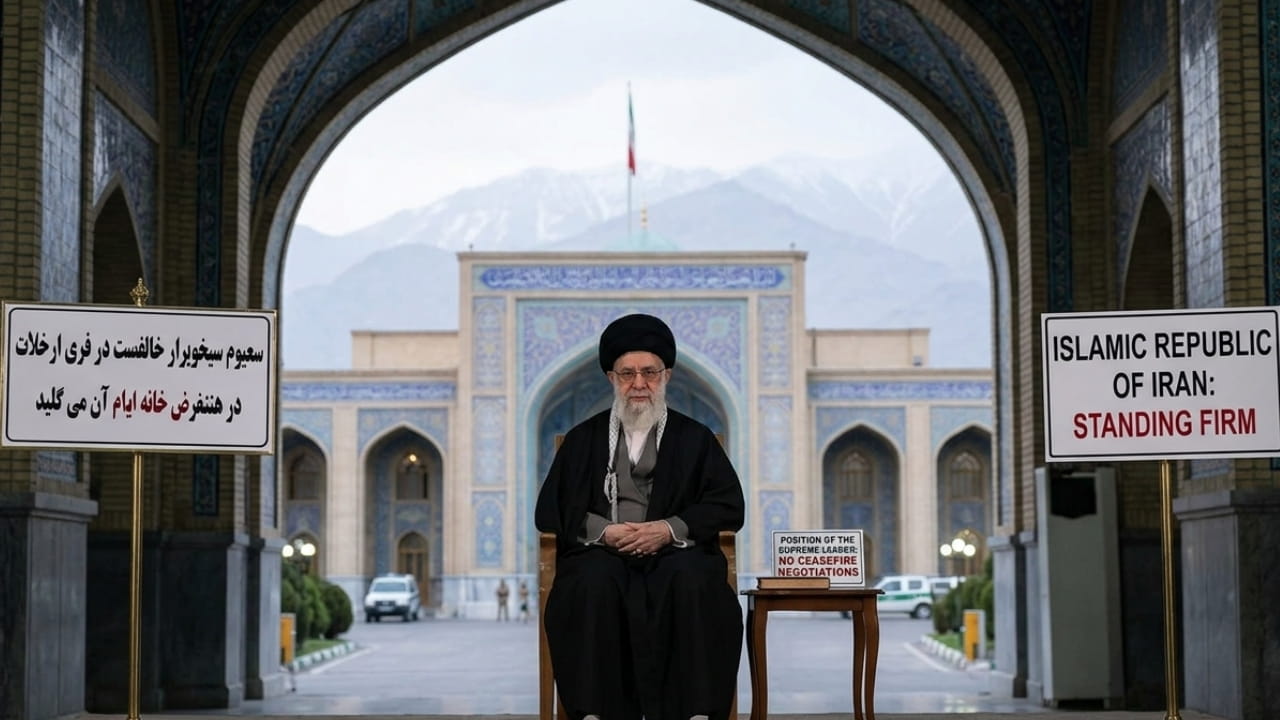
The geopolitical landscape of the Middle East has just grown significantly more complicated. In a highly anticipated and uncompromising national address today, Iran's Supreme Leader has explicitly refused to engage in any ceasefire negotiations, shutting the door on international diplomatic efforts aimed at de-escalating the ongoing regional conflict.
The bold declaration comes at a time when global powers, including the United Nations and various Western nations, have been heavily pressuring all involved parties to lay down their arms and come to the negotiating table. However, Iran’s top leadership has made it clear that they view the current proposals not as pathways to peace, but as demands for surrender.
A Hardline Stance on Sovereignty
During the address, the Supreme Leader emphasized that negotiating under the current geopolitical pressures would compromise the nation's core sovereignty and the broader resistance movement in the region. The leadership argued that accepting a ceasefire right now would only serve the strategic interests of foreign adversaries, rather than bringing genuine stability to the Middle East.
This hardline stance is deeply rooted in Iran's long-standing policy of "strategic resistance." By refusing to back down, the government is aiming to project unshakeable strength to both its domestic audience and its regional allies, signaling that they will not be intimidated by economic sanctions or military posturing.
"Diplomacy cannot be forced at the tip of a spear. A ceasefire that only benefits foreign interests and undermines our regional security is not peace—it is capitulation, and we absolutely refuse to accept it."
Global Reactions and Diplomatic Strain
The immediate fallout from this refusal has been intense. Western diplomats have expressed deep frustration, warning that the rejection of peace talks will inevitably lead to a prolonged and much more destructive phase of the conflict. The United Nations has urgently called for back-channel communications to remain open, fearing that a complete breakdown in diplomacy could spark a wider regional war.
Neighboring Gulf states are also on high alert. The continued instability threatens to disrupt vital maritime trade routes and has already sent tremors through the global energy markets.
Key Takeaways from the Address:
- The Decision: An absolute refusal to enter into current ceasefire negotiations.
- The Rationale: Viewing the proposed terms as a threat to national sovereignty and regional resistance.
- Diplomatic Strain: Major setbacks for UN and Western peace-brokering efforts.
- Economic Impact: Immediate spikes in global oil prices due to fears of prolonged regional instability.
What This Means for Regional Stability
For the international community, the refusal to negotiate means bracing for a long, drawn-out period of volatility. Global stock markets and oil prices have already begun to react to the news, as investors anticipate further disruptions in Middle Eastern supply chains.
As the situation develops, world leaders are now forced to rethink their diplomatic strategies. Whether this hardline approach will eventually force a more balanced negotiation or lead to further military escalation remains the most critical question on the global stage today.
Share this Geopolitical Update:
Leave a Comment
Your feedback is important to us. Submitted comments are kept private and are for internal review only.