Instagram to Remove End-to-End Encryption for Private Messages in May
Published by VerseZip Tech Desk
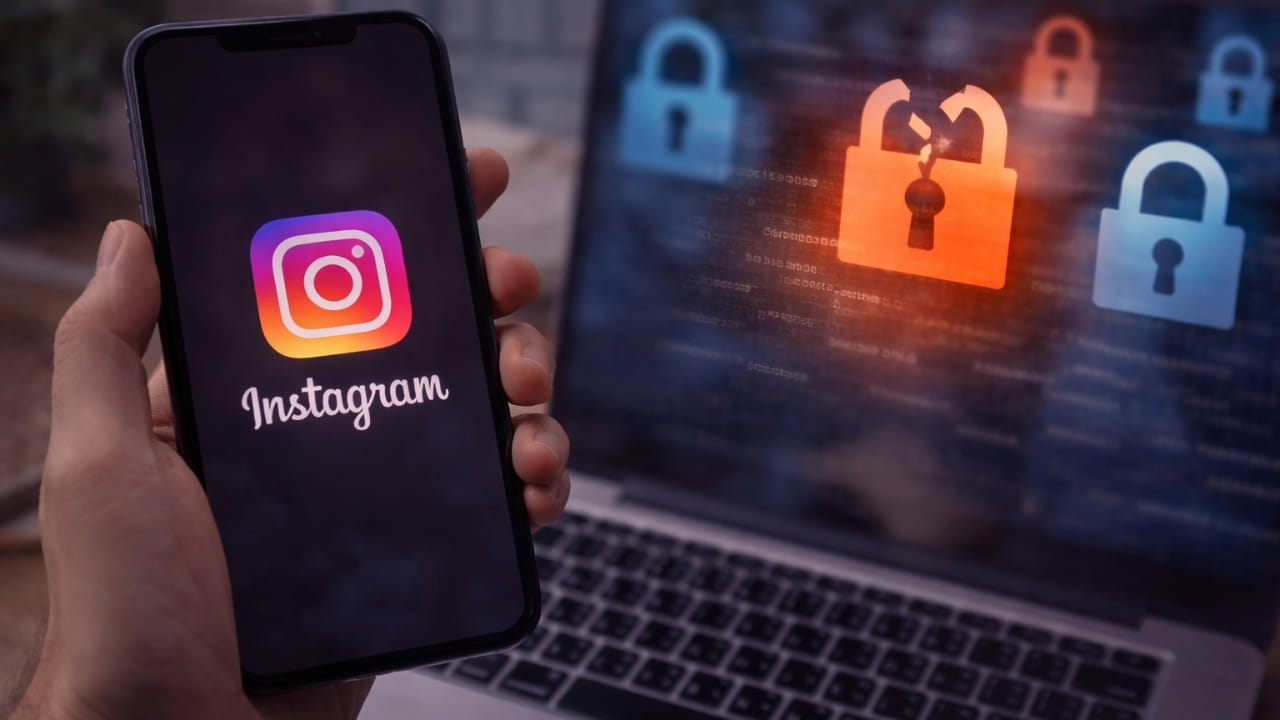
If you value the absolute privacy of your Instagram Direct Messages (DMs), a major digital shift is heading your way. In a massive and highly controversial reversal of its own policies, Meta has officially announced that it will remove end-to-end encryption (E2EE) for private messages on Instagram, starting this May.
Just a few years ago, Meta proudly rolled out E2EE across its platforms, ensuring that only the sender and the receiver could read the contents of a message—meaning not even Meta or law enforcement could intercept them. However, mounting global pressure has forced the tech giant to drastically alter its course for its highly popular visual platform.
Why is Meta Reversing Its Privacy Policy?
The decision to strip away encryption from Instagram DMs does not come out of nowhere. For months, Meta has faced intense, coordinated pressure from global law enforcement agencies, child safety organizations, and government regulators in the UK, the EU, and the US.
These organizations strongly argued that full end-to-end encryption creates a "digital blind spot" that makes it nearly impossible to track cyberbullying, child exploitation, and illicit financial activities on the platform. Unlike WhatsApp, which is primarily a private messaging app built on phone numbers, Instagram is a public-facing social network where strangers frequently interact. Authorities argued that applying the same strict privacy shield to Instagram provided a safe haven for malicious actors.
"Balancing user privacy with public safety is the ultimate tightrope for modern tech companies. By removing E2EE on Instagram, Meta is signaling that community safety has officially taken precedence over absolute digital secrecy."
What Does This Mean for Everyday Users?
Starting in May 2026, the padlock icon you might have noticed in your Instagram DM threads will gradually disappear. Practically, this means your messages will once again be stored on Meta's servers in a standard, unencrypted format.
While everyday users won't notice any changes in how the app functions or how fast messages are sent, the underlying architecture will change. Meta's automated safety algorithms will now be able to scan DM text and images for abusive language, inappropriate content, and terms of service violations. Furthermore, if compelled by a legal warrant, Meta will once again possess the technical ability to hand over user chat logs to law enforcement agencies.
Key Impacts of the May Update:
- Rollout Timeline: End-to-End Encryption (E2EE) will be completely phased out of Instagram DMs by the end of May.
- Content Scanning: Meta’s automated bots will be able to scan messages to detect policy violations and abusive behavior.
- Law Enforcement Access: Chat logs can now be accessed and provided to authorities under legal warrants.
- WhatsApp Unaffected: Meta has clarified that WhatsApp will retain its strict end-to-end encryption protocols.
The Backlash from Privacy Advocates
Unsurprisingly, the tech and privacy communities are deeply divided. Cybersecurity experts and privacy advocates have expressed massive disappointment, calling the move a "step backward" for digital rights. They argue that breaking encryption—even with the noble intent of catching criminals—inevitably weakens the security of every single innocent user on the platform, leaving them vulnerable to data breaches and potential surveillance.
Despite the heavy backlash from privacy purists, Meta appears resolute in its decision. As we approach the May deadline, users are advised to be mindful of this structural change. If you require absolute, unbreakable privacy for your digital communications, experts strongly recommend moving those conversations to dedicated, encrypted platforms like Signal or WhatsApp.
Share this Tech Update:
Leave a Comment
Your feedback is important to us. Submitted comments are kept private and are for internal review only.