Trump Vows to Stop Israeli Attacks on Iranian Gas Fields After Violent Escalation
Published by VerseZip News Desk
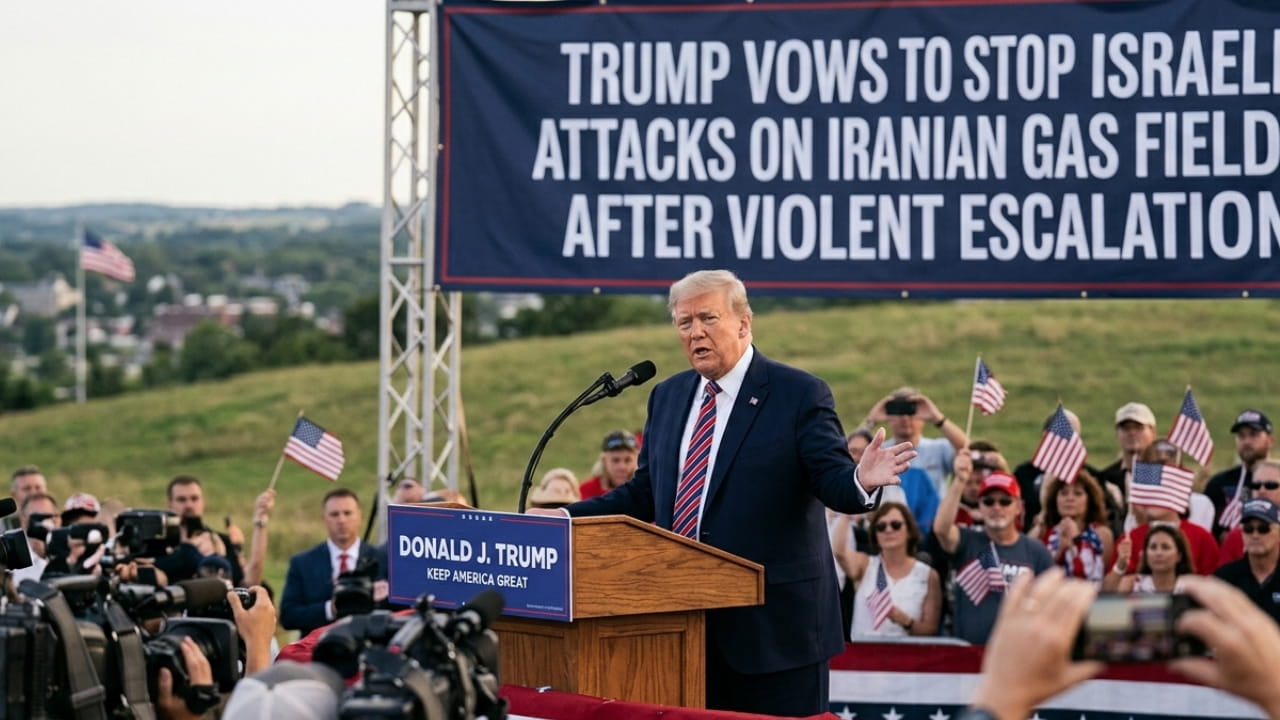
In a dramatic and highly decisive intervention in Middle Eastern geopolitics, US President Donald Trump has publicly vowed to put an end to Israeli military strikes targeting Iranian natural gas and oil infrastructure. This bold declaration comes just days after a dangerous escalation that saw Iran "violently lash out" in retaliation.
For weeks, the conflict between Israel and Iran has been teetering on the edge of an all-out regional war. The tipping point occurred recently when Israeli forces allegedly targeted key Iranian energy sites. In a swift and fierce response, Tehran launched a severe retaliatory strike, drastically raising fears that the conflict could spiral completely out of control.
Drawing a Red Line on Energy Infrastructure
Speaking at a high-profile press briefing, President Trump made his stance crystal clear. While reiterating support for regional allies, he drew a massive "red line" when it comes to attacking vital energy resources.
"We are not going to let this turn into a global disaster," Trump stated. He noted that hitting gas fields and oil refineries does not just hurt the nations involved; it sends a massive shockwave through the global economy. By vowing that there will be "no more attacks" on these specific Iranian facilities, the US administration is actively attempting to throw a bucket of cold water on the raging geopolitical fire.
"When you start hitting gas fields, everybody pays the price at the pump. Iran lashed out violently, and things got very dangerous. We are stepping in to say: enough is enough on the energy targets."
Protecting the Global Economy
Why is the US stepping in so forcefully on this specific issue? The answer lies in global economics. The Middle East is the lifeblood of the world's energy supply. When major gas and oil fields are bombed, international energy markets panic. This immediately leads to skyrocketing fuel prices worldwide, worsening inflation in Western countries, and devastating the fragile economies of developing nations.
By ensuring that Iran's energy infrastructure remains off-limits, the Trump administration is effectively shielding the global stock markets and everyday consumers from an unbearable surge in energy costs.
Key Geopolitical Takeaways:
- The Escalation: Israel targeted Iranian gas infrastructure, prompting a fierce and violent retaliation from Tehran.
- US Intervention: President Trump officially vows to halt any further Israeli attacks on Iranian energy sites.
- Economic Protection: The move is designed to prevent a catastrophic spike in global oil and natural gas prices.
- De-escalation Efforts: This firm stance aims to prevent the current conflict from evolving into a broader regional war.
What Happens Next?
The international community is breathing a cautious sigh of relief following this announcement. European and Asian markets have already shown signs of stabilization as the immediate threat to energy supplies seems to have been neutralized.
However, the underlying political tensions between Israel and Iran remain entirely unresolved. Diplomats are now working around the clock behind closed doors. The major question that remains is whether this US-imposed restriction on energy targets will be enough to force both sides toward a permanent ceasefire, or if the conflict will simply shift to other, equally dangerous military targets.
Share this Geopolitical Update:
Leave a Comment
Your feedback is important to us. Submitted comments are kept private and are for internal review only.