US and Iran Agree to Historic Peace Deal and Reopen Strait of Hormuz
Published by VerseZip Current Affairs Desk
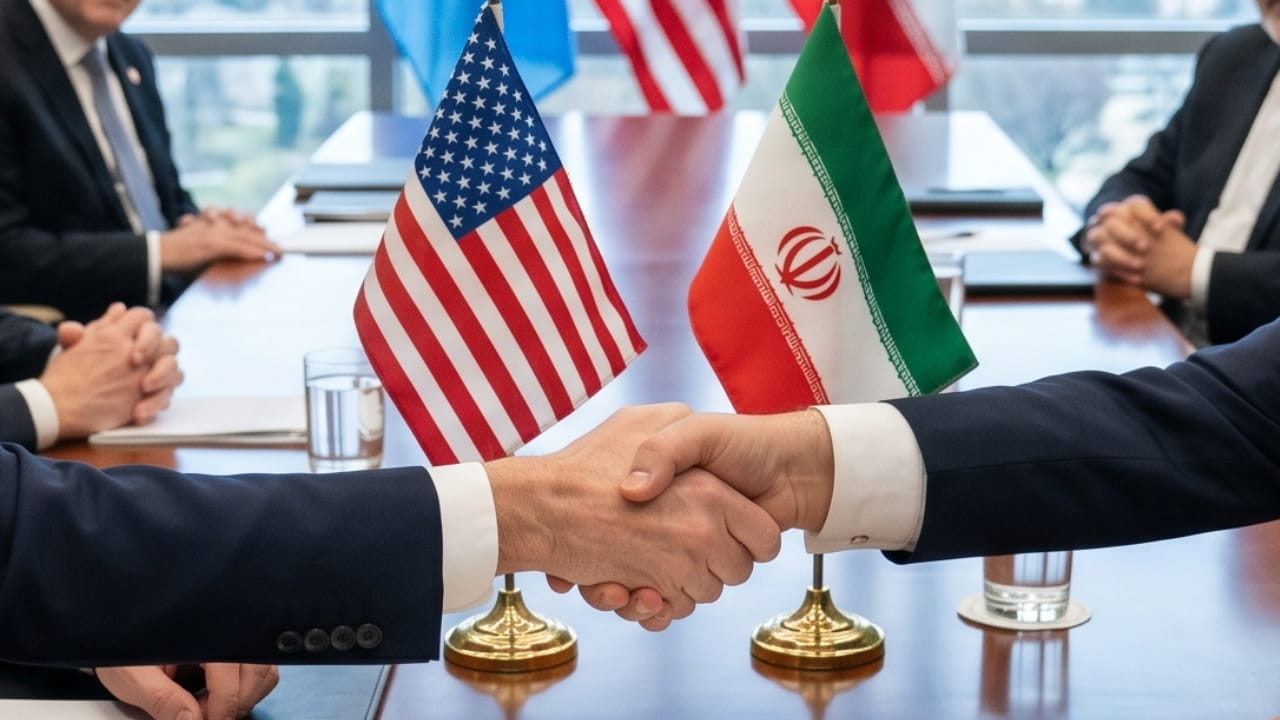
The United States and Iran have agreed to a historic peace deal that permanently ends military operations across all fronts. United States President Donald Trump confirmed the sudden agreement on Monday while attending the G7 summit in France. This diplomatic breakthrough includes the immediate reopening of the Strait of Hormuz for global oil shipping.
Trump Confirms Agreement and Strait Reopening
President Trump electronically signed a preliminary memorandum of understanding alongside Vice President JD Vance and Iranian Parliament Speaker Mohammad Bagher Ghalibaf. Trump immediately ordered the United States military to remove its naval blockade of Iranian ports. He posted on Truth Social that the critical Strait of Hormuz will become completely open to commercial ships by Friday. This vital shipping lane handles a massive portion of the world's oil and natural gas supplies.
Key Facts at a Glance
Pakistan Leads Successful Mediation Efforts
Pakistan Prime Minister Shehbaz Sharif officially announced the diplomatic breakthrough on Sunday. Pakistan hosted the direct talks and worked intensely to negotiate the immediate termination of military operations. Sharif confirmed that officials plan to hold a formal signing ceremony in Switzerland on June 19. The initial pact extends the current ceasefire for another 60 days while negotiators finalize the permanent treaty details.
| Date | Event |
|---|---|
| June 14, 2026 | Pakistan hosts direct talks between US and Iran |
| June 15, 2026 | Peace deal announced; PM Shehbaz Sharif confirms breakthrough |
| June 15, 2026 | President Trump signs preliminary memorandum of understanding |
| June 19, 2026 | Formal signing ceremony scheduled in Switzerland |
Immediate Pushback From Israeli Leaders
The peace agreement includes a ceasefire in Lebanon, but Israeli politicians fiercely oppose this specific condition. Israeli Defense Minister Israel Katz stated his country refuses to withdraw from the Lebanese territory it currently occupies. National Security Minister Itamar Ben Gvir publicly vowed to ignore the agreement and dismantle Hezbollah forces entirely. Despite the signed deal, an Israeli drone strike killed one person in south Lebanon on Monday.
Impact on Global Oil Markets
- Strait of Hormuz: Handles approximately 20% of global oil supplies
- Naval Blockade: Ordered removed immediately by President Trump
- Full Reopening: Expected by Friday
- Oil Prices: Expected to stabilize following the announcement
Frequently Asked Questions
What are the terms of the US and Iran peace deal?
Both nations agreed to end military operations immediately across all fronts. The current pact extends a ceasefire for 60 days to allow diplomats to negotiate a final, permanent agreement.
Will the Strait of Hormuz reopen?
President Trump ordered the immediate removal of the United States naval blockade surrounding Iranian ports. He expects the Strait of Hormuz to fully reopen to global commercial shipping by Friday.
Who mediated the peace agreement?
Pakistan Prime Minister Shehbaz Sharif led the successful mediation efforts between the two countries. He announced that leaders plan to formally sign the documents in Switzerland on June 19.
Does the agreement include a ceasefire in Lebanon?
Yes, the peace agreement includes a ceasefire in Lebanon. However, Israeli leaders have publicly opposed this condition and vowed not to withdraw from occupied Lebanese territory.
What is the significance of the Strait of Hormuz?
The Strait of Hormuz is a vital shipping lane through which approximately 20 per cent of the world's oil and natural gas supplies pass. Its closure had caused global energy prices to spike dramatically.
The Bottom Line
This sudden diplomatic resolution ends months of global anxiety and prevents further economic disruption to the oil market. The immediate reopening of the Strait of Hormuz will allow oil tankers to resume normal shipping routes, stabilizing global energy prices.
Monitor international shipping channels closely this Friday as tankers return to the newly reopened Strait of Hormuz. The formal signing ceremony in Switzerland on June 19 will mark the final step toward a permanent peace agreement between the two nations.
However, Israeli opposition to the Lebanon ceasefire clause remains a significant challenge. World leaders will closely watch how this issue is resolved in the coming days.
Sources: China Daily, Anadolu Agency, The Guardian
Share this Current Affairs Update:
Leave a Comment
Your feedback is important to us. Submitted comments are kept private and are for internal review only.