Major Changes in the Pakistan Budget 2026-27
Published by VerseZip Current Affairs Desk
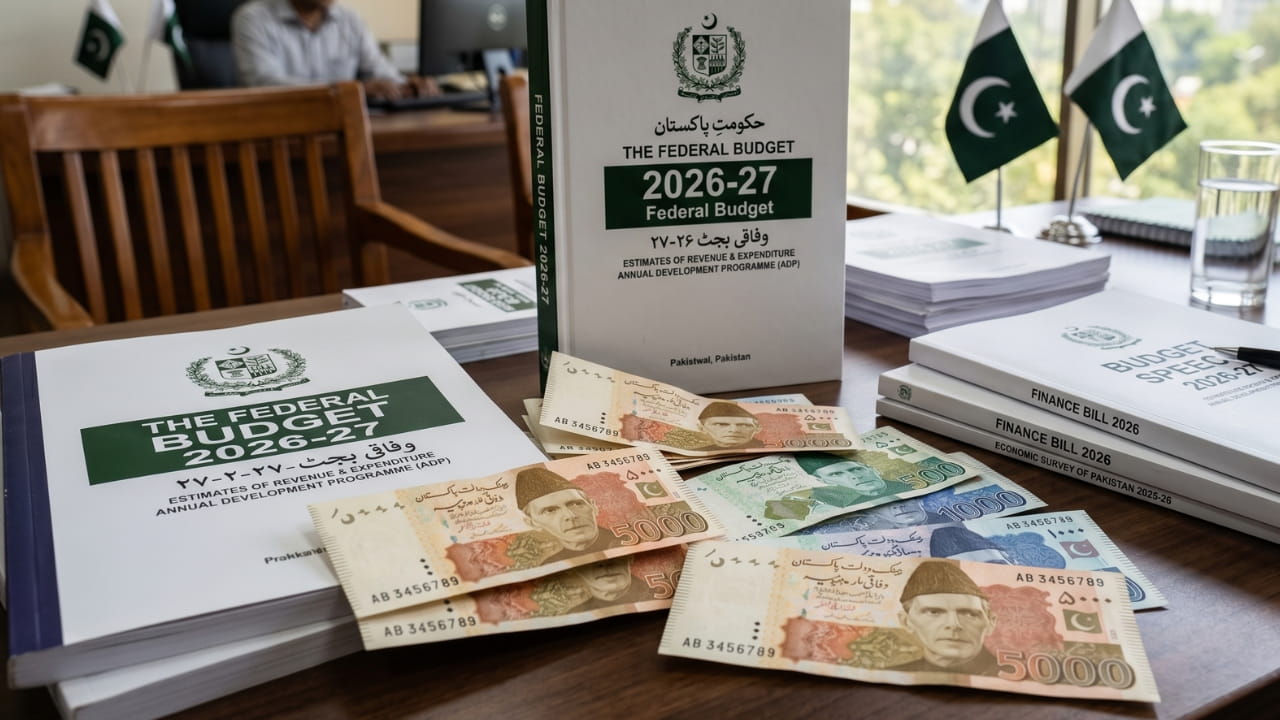
The government of Pakistan officially approved the federal budget for the fiscal year 2026-27, setting the path for new economic policies starting July 1st. This budget introduces significant tax adjustments and spending priorities that impact everyone from individual taxpayers to large industrial sectors.
Economic Targets and Government Spending
The government set the GDP growth target at 4% for the upcoming fiscal year. Officials expect inflation to remain around 8.2% during this period.
The Federal Board of Revenue (FBR) aims to collect Rs. 15,264 billion in revenue, which represents a 17.6% increase from the previous year. Total federal expenditure will reach Rs. 18,771 billion, with Rs. 8,054 billion allocated for debt servicing.
The defense budget rose to Rs. 3,000 billion. Meanwhile, the government fixed the federal Public Sector Development Program (PSDP) at Rs. 1,000 billion.
Budget 2026-27 at a Glance
Tax Relief for Individuals and Businesses
This budget provides several forms of tax relief for both the salaried class and business owners. The government reduced income tax rates across several slabs and proposed the removal of the 10% surcharge for salaried individuals.
Business owners also see relief, as the government removed certain lower business tax slabs. High-income businesses benefit from a reduction in super tax.
The government also introduced specific tax measures for digital creators. You can find more details on these new digital earnings regulations in the file 5% Tax Approved on YouTube, TikTok, Other Influencer Income From July.html.
| Category | Change | Impact |
|---|---|---|
| Salaried Individuals | Reduced tax rates, removal of 10% surcharge | Tax Relief |
| Business Owners | Removed lower business tax slabs | Reduced Burden |
| High-Income Businesses | Reduced super tax | Relief for Large Enterprises |
| Digital Creators | 5% withholding tax on social media income | New Tax Measure |
| Sanitary Pads & Contraceptives | Sales tax exemption | Relief on Essential Goods |
Updates on Vehicle and EV Imports
The government modified the Federal Excise Duty (FED) structure for imported electric vehicles (EVs). Instead of the previous rupee-based thresholds, the new budget uses dollar-denominated customs values.
Vehicles with a customs value up to $75,000 face no FED. Those valued between $75,000 and $110,000 face a 30% duty, while vehicles above $110,000 face a 40% duty.
Imported high-capacity vehicles now face significantly higher duties as well. Vehicles between 2,000cc and 3,000cc now face an 86% duty, while those exceeding 3,000cc face a 92% tax.
| Vehicle Category | Duty/Tax Rate | Details |
|---|---|---|
| EV (Under $75,000) | 0% FED | No duty |
| EV ($75,000 - $110,000) | 30% FED | Moderate duty |
| EV (Above $110,000) | 40% FED | High duty |
| Vehicles 2,000cc - 3,000cc | 86% Duty | Significant increase |
| Vehicles Above 3,000cc | 92% Tax | Highest duty |
Key Amendments and Regulatory Changes
The Standing Committee introduced several changes to the original Finance Bill. One major addition allows individuals to pay the tax on imported phones in installments, provided they clear the balance before the financial year ends.
For the insurance sector, the government adjusted the payout tax exemption timeline. Benefits now apply after four years instead of the original seven-year requirement.
Furthermore, the government continues its push for clean energy. As global interest in sustainable power rises, the sector sees ongoing development, as highlighted in the report Solis Concludes Successful SNEC PV+ 2026 with Strong Global Interest in Full-Scenario Energy Storage Portfolio.
Key Budget Amendments
- Phone Tax Installments: Imported phone taxes can now be paid in installments within the financial year
- Insurance Timeline: Payout tax exemption reduced from 7 years to 4 years
- Digital Creator Tax: 5% withholding tax on social media earnings above Rs. 600,000
- Essential Goods: Sales tax exemption for sanitary pads and contraceptives
- Clean Energy: Continued push for renewable energy development
- EV Imports: Dollar-denominated FED structure for electric vehicles
Frequently Asked Questions
When do the new budget changes take effect?
The changes outlined in the federal budget 2026-27 officially take effect on July 1st, 2026.
Did the government reduce income tax for salaried employees?
Yes, the government reduced income tax rates across several slabs. They also proposed the removal of the 10% surcharge for salaried individuals.
Are there new rules for paying tax on imported phones?
Yes, the revised bill allows individuals to pay the required tax on imported mobile phones in installments. However, you must clear all payments before the end of the current financial year.
What is the new tax rate for high-engine capacity vehicles?
Vehicles between 2,000cc and 3,000cc now face an 86% duty. Vehicles exceeding 3,000cc are subject to a 92% tax.
Is there tax relief for specific essential items?
Yes, the budget proposes sales tax exemptions for sanitary pads and contraceptives to provide relief on these essential goods.
What is the FBR revenue target for 2026-27?
The FBR aims to collect Rs. 15,264 billion in revenue, representing a 17.6% increase from the previous year.
Final Thoughts
The government designed these measures to balance revenue requirements with the need to stimulate specific economic sectors. Taxpayers and business owners should review their financial plans to ensure compliance with these updated tax regulations before they become active next month.
The 2026-27 budget reflects the government's priorities of expanding the tax net, providing relief to salaried individuals, and promoting sustainable energy solutions. With significant changes to vehicle duties, digital creator taxation, and installment payment options for phone taxes, the budget aims to modernize Pakistan's fiscal framework while addressing the needs of various economic sectors.
Stay informed about these changes and consult with financial advisors to understand how they affect your specific situation.
Sources: ProPakistani, Startup Pakistan, 5% Tax Approved on YouTube TikTok Influencer Income From July.html
Share this Current Affairs Update:
Leave a Comment
Your feedback is important to us. Submitted comments are kept private and are for internal review only.