Pakistan Cancels March 23 Pakistan Day Parade Amid Oil Crisis and Middle East Tensions
Published by VerseZip News Desk
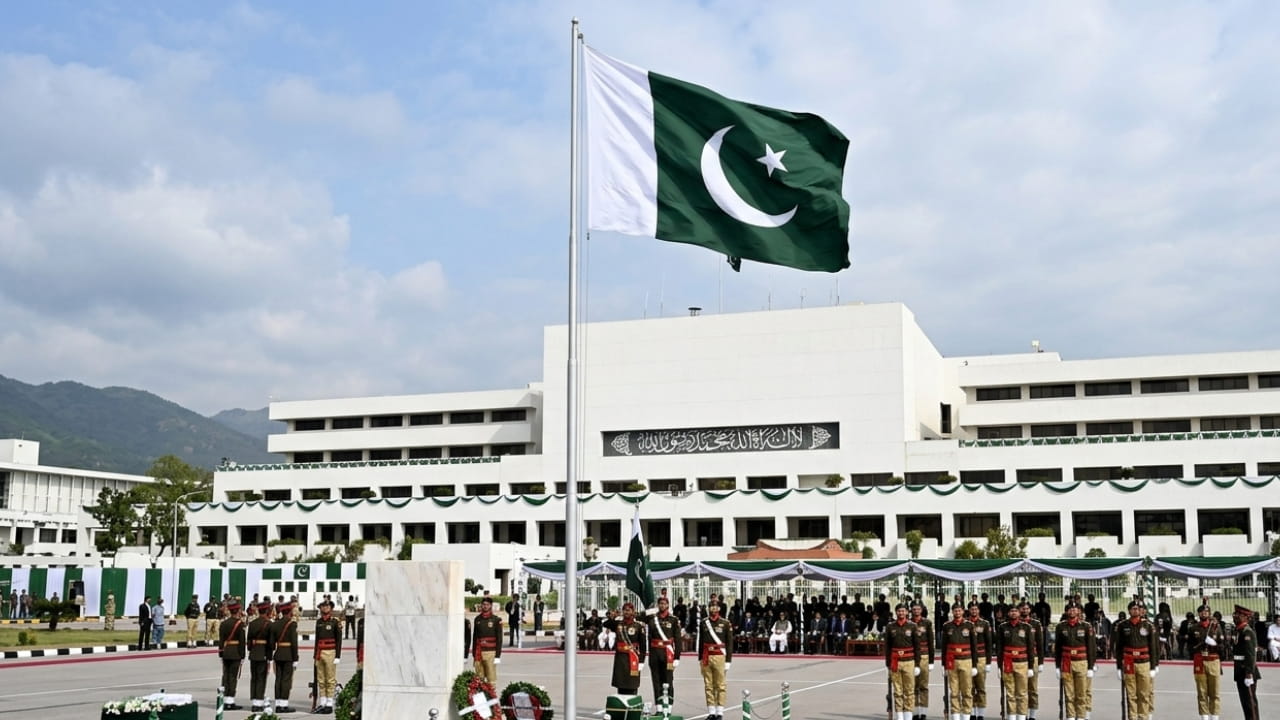
In a significant and highly unexpected move, the federal government has officially canceled the grand military parade scheduled for Pakistan Day on March 23, 2026. The difficult decision has been made in direct response to the escalating global oil crisis and the intense geopolitical tensions currently gripping the Middle East, both of which are placing immense pressure on the national economy.
Pakistan Day, celebrated with great fervor every year on March 23, is traditionally marked by a spectacular military parade in Islamabad. The event usually showcases the nation's defense capabilities, cultural unity, and patriotic pride. However, navigating a fragile global economic landscape, the government has chosen a far more restrained and practical approach for this year's observance.
Why Was the Parade Canceled?
The primary catalyst behind this massive cancellation is the sharp, relentless rise in global oil prices. As Pakistan relies heavily on imported fuel to run its industries and transport networks, these global supply chain disruptions have directly and severely impacted the state's financial health.
Government officials highlighted several pressing factors that led to this unprecedented decision. The rising fuel costs are heavily inflating the national import bill, leaving the government with no choice but to adopt aggressive austerity measures. By calling off the massive, resource-heavy parade, the state aims to save millions of rupees in public funds, redirecting that capital toward far more urgent national needs and economic stabilization efforts.
"While the parade is a beautiful symbol of our national pride, true patriotism today means making tough, practical decisions to protect our economy and our citizens from the shockwaves of global instability."
How Middle East Tensions Impact Pakistan
The Middle East is the absolute backbone of global energy supply. Any instability, conflict, or disruption in this region creates an immediate ripple effect that quickly reaches oil-importing countries like Pakistan.
When international crude oil prices skyrocket, the local impacts are brutal. Transportation costs multiply, electricity production becomes overwhelmingly expensive, and inflationary pressure grows across all consumer sectors. These severe economic realities have forced policymakers to adopt strict cost-cutting strategies, culminating in the cancellation of large-scale, ceremonial public events.
How Pakistan Day Will Be Observed Instead:
While the grand parade is canceled, the historic day will still be honored with profound respect and simplicity through alternative events:
- Flag-Hoisting Ceremonies: Official flag-raising events will take place at key government buildings nationwide.
- Special Prayers: Congregations will hold special prayers for the progress, peace, and economic stability of the country.
- Honoring Heroes: Limited-scale, indoor events will be organized to pay tribute to national heroes and the armed forces.
Public Reaction and a Broader Economic Signal
The cancellation has sparked a wave of mixed reactions across the country. A large segment of the public strongly supports the move, praising the government for making a responsible, realistic economic decision during a time of crisis. Conversely, many citizens feel a deep sense of disappointment, as the annual parade serves as a cherished symbol of unity and national strength.
Ultimately, this cancellation is not just about a single event—it is a glaring reflection of a larger economic shift. It sends a clear signal to both domestic and international observers that Pakistan is heavily prioritizing economic discipline and sustainability over symbolic displays. As global conditions continue to evolve, adapting quickly and responsibly remains the nation's top priority.
Share this News Report:
Leave a Comment
Your feedback is important to us. Submitted comments are kept private and are for internal review only.