PM Shehbaz Orders Immediate Ban on High-Octane Fuel for Government Vehicles: HOBC Price Hits Rs535
Published by VerseZip News Desk
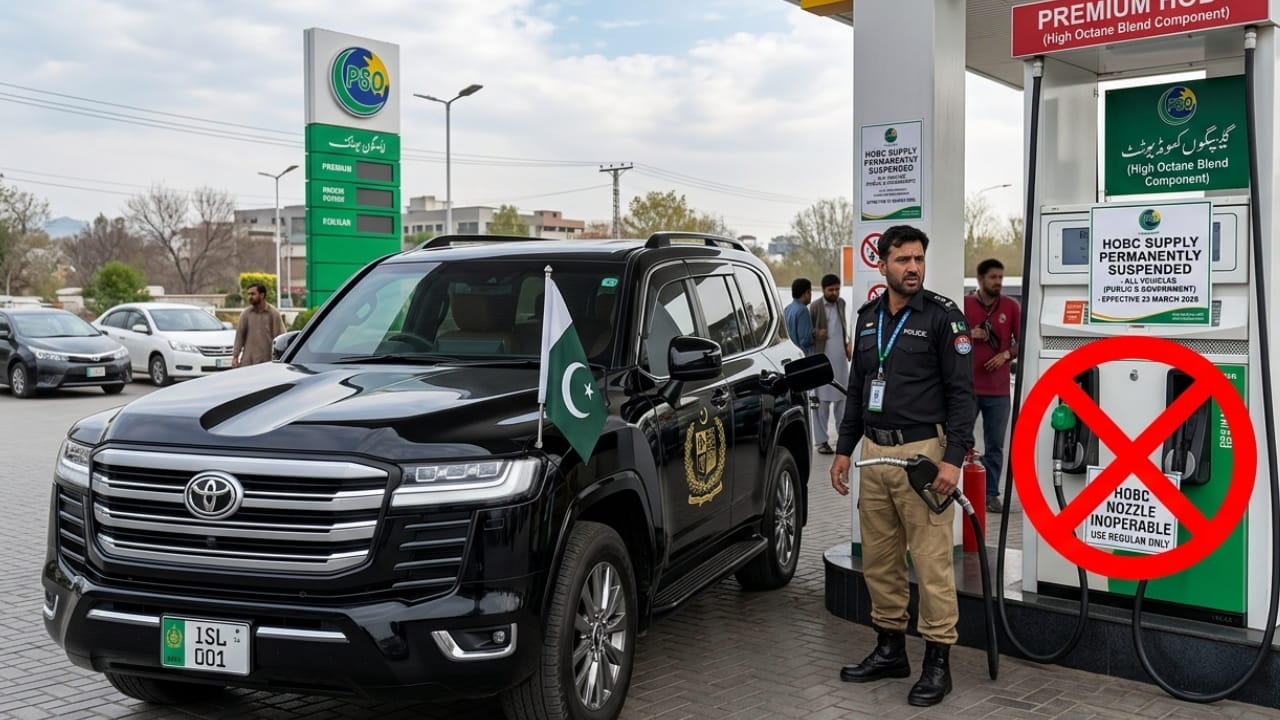
While the average citizen continues to face immense pressure trying to afford basic mobility, a significant policy shift has just taken place in Islamabad. In a decisive move to curb unnecessary state expenditures, Prime Minister Shehbaz Sharif has officially banned the use of high-octane fuel in all government vehicles, effective immediately.
The Ban Is Now in Effect
According to an official announcement by the Prime Minister's Office, a strict prohibition has been imposed on refueling official luxury vehicles with premium petrol at the government's expense. Under this new mandate, if a government official absolutely insists on using high-octane fuel for their designated vehicle, they must now pay for it out of their own personal pocket.
The Prime Minister has explicitly directed all federal departments, authorities, and subordinate institutions to ensure full and immediate compliance. Furthermore, relevant authorities have been tasked with devising a strict monitoring system to track fuel usage and penalize any violations of this new austerity measure.
HOBC Price Hits Rs. 535 Per Litre
This sudden ban did not happen in isolation. It arrived just hours after one of the most aggressive fuel levy decisions in Pakistan's recent history. The Prime Minister approved a staggering Rs. 200 per litre increase in the petroleum levy applied exclusively to High-Octane Blending Component (HOBC) fuel.
With the levy jumping from Rs. 105.37 to Rs. 305.37 per litre, the overall retail price of HOBC has skyrocketed to an unprecedented Rs. 535 per litre. The government projects that this targeted tax on luxury fuel will generate approximately Rs. 9 billion in monthly savings.
"The government has strategically increased the levy only on fuel used in luxury vehicles. Regular petrol and diesel prices remain untouched for now, ensuring that public transport fares and the everyday commuter are shielded from this specific hike."
Tracing the Crisis: How We Got Here
To truly understand the weight of these austerity measures, one must look at the broader geopolitical crisis squeezing the nation's economy. The timeline of this escalating fuel crisis reveals a country grappling with severe external shocks.
- Late February 2026: Regional tensions erupted following major military strikes in the Middle East. The subsequent closure of the strategically vital Strait of Hormuz severely disrupted global oil shipments, causing crude prices to surge dramatically.
- March 6, 2026: The government was forced to pass the initial global shockwaves onto the public, raising regular petrol and diesel prices by a massive Rs. 55 per litre, triggering widespread economic concern.
- March 9, 2026: Prime Minister Shehbaz Sharif outlined a 14-point austerity plan. Measures included halting cabinet salaries, introducing four-day work weeks, and slashing fuel allocations for government departments by 50 percent.
- March 17, 2026: In a highly symbolic move, the traditional Pakistan Day military parade scheduled for March 23 was officially cancelled to conserve vital fuel reserves and redirect public funds.
- March 21, 2026: Facing another recommended hike of Rs. 76 for petrol and Rs. 137 for diesel, the Prime Minister rejected the proposal ahead of Eid Al-Fitr, choosing instead to let the government absorb the Rs. 24 billion financial burden temporarily.
The Real-World Impact on Ordinary Citizens
While policymakers debate levies and luxury fuels, the reality on the ground is stark. For the thousands of daily wage riders working for delivery platforms and ride-hailing services, the earlier fuel price hikes have already devastated their profit margins. Many riders now spend a massive portion of their daily earnings just keeping their motorcycles fueled.
Public transport users have equally felt the pressure, with fares for buses and rickshaws climbing steeply. Beyond mobility, the ripple effect has hit the grocery aisles. As the cost of freight transportation rises, the prices of essential food items naturally follow, reducing the purchasing power of the average household. Even the education sector faced disruptions, with temporary shifts to online classes implemented earlier this month to minimize commuting.
Macroeconomic Realities and Structural Flaws
The data paints a highly concerning picture. Pakistan currently relies on imports for more than 80 percent of its oil needs. According to economic analysts, for every $5 increase in international oil prices, the nation's import bill inflates by approximately $1 billion.
Energy analysts point out that external shocks expose the deep structural flaws in the country's energy sector. Pakistan's reliance on outdated domestic refineries often forces the state to import expensive, pre-refined petroleum products instead of cheaper raw crude oil. Furthermore, strict fiscal commitments under international financial agreements, such as those with the International Monetary Fund (IMF), severely limit the government's ability to subsidize fuel long-term.
The Economic Risks Ahead:
- Inflation Threat: A severe, sustained oil shock could potentially drive national inflation rates above 12%.
- Currency Depreciation: The rising import bill places immense pressure on the Rupee, creating a dangerous cycle of inflation.
- Trade Deficit: Official data shows the trade deficit has already widened by 25 percent in recent months.
What This Means for You
If you own a luxury vehicle requiring HOBC, you must now brace for a fuel cost of Rs. 535 per litre—an overnight increase of roughly 60%. For regular commuters using standard petrol, prices remain temporarily frozen, but experts caution that the government cannot absorb losses of over Rs. 45 billion every fortnight indefinitely.
The ban on high-octane fuel for government officials is a much-needed step toward financial discipline. However, energy analysts agree that without long-term structural changes—such as upgrading local refineries, improving public transit, and expanding renewable energy infrastructure—the national economy will remain highly vulnerable to every future global energy shock.
Frequently Asked Questions (FAQ)
Why did PM Shehbaz ban high-octane fuel in government vehicles?
The Prime Minister ordered the ban to ensure the efficient and responsible use of national resources and public funds during the ongoing global fuel crisis triggered by regional conflicts.
What is the new price of HOBC in Pakistan?
Following the recent revision, the price of High-Octane Blending Component (HOBC) has climbed to an unprecedented Rs. 535 per litre.
Has the petrol price increased for ordinary vehicles?
No, the prices of standard petrol and high-speed diesel used by the general public have not been increased. The government has opted to absorb the financial impact to prevent an immediate rise in public transport fares and inflation.
Can government officials still use high-octane fuel?
If necessary, officials can still use high-octane fuel in their vehicles, but they are now legally required to bear the cost entirely from their own pockets rather than using state funds.
Why is Pakistan facing a severe fuel crisis in 2026?
The crisis is primarily driven by surging global oil prices resulting from the escalating geopolitical conflict in the Middle East and the subsequent disruption of major international shipping routes like the Strait of Hormuz.
Share this Geopolitical & Economic Update:
Leave a Comment
Your feedback is important to us. Submitted comments are kept private and are for internal review only.