NVIDIA Launches Space Computing: Rocketing Artificial Intelligence Into Orbit
Published by VerseZip Tech Desk
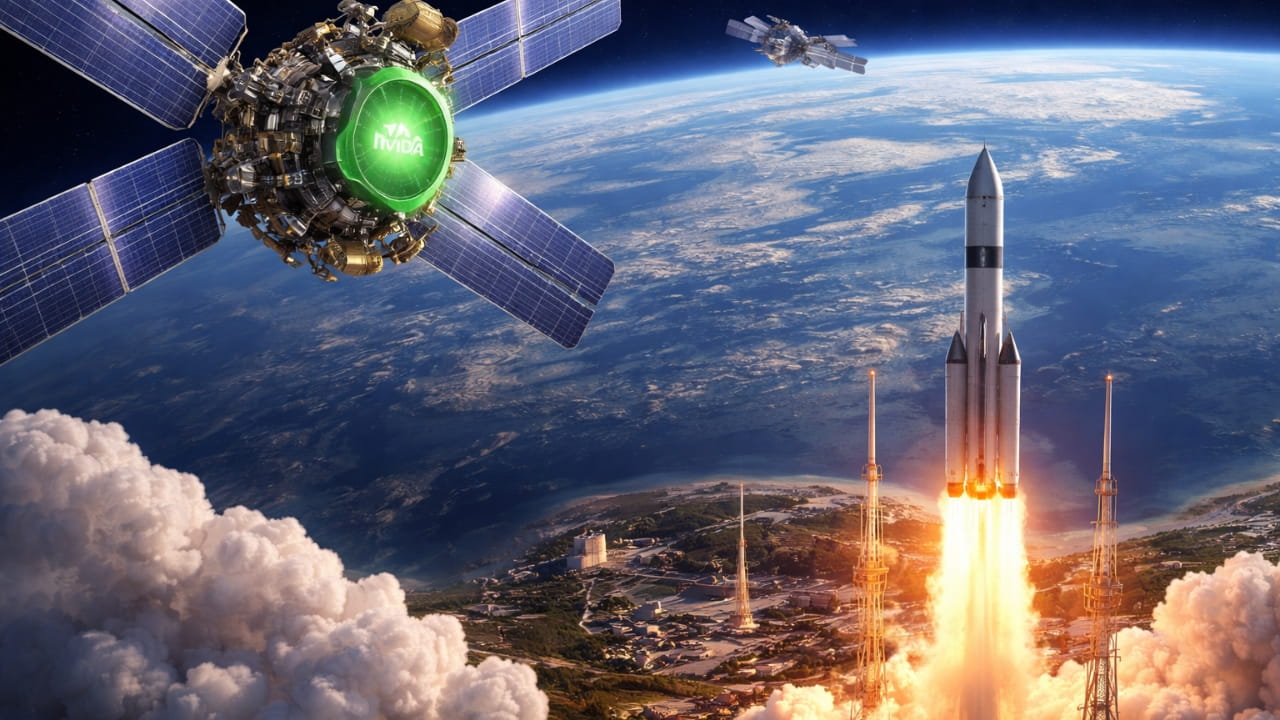
In a monumental leap for both the technology and aerospace industries, NVIDIA has officially brought its world-renowned artificial intelligence to the final frontier. By launching highly advanced, radiation-hardened space computing platforms, the tech giant is literally rocketing AI into orbit, fundamentally changing how satellites and spacecraft will operate forever.
For decades, the standard process for space exploration has been remarkably slow. Satellites orbiting Earth acted as simple data collectors or high-res cameras. They would capture millions of images and beam massive, raw data files back down to Earth. Scientists and massive supercomputers would then spend hours—or sometimes days—processing that data to make it useful. NVIDIA’s new edge computing technology is eliminating this delay entirely.
AI on the Edge: Processing Directly in Space
The core of this breakthrough is what tech experts call "edge computing." By outfitting satellites with NVIDIA's powerful, highly energy-efficient AI processors, spacecraft no longer need to rely on Earth's computers to do the heavy lifting. They can now analyze data directly in space.
Imagine a weather satellite tracking a storm. Instead of sending thousands of raw cloud images down to a ground station, the satellite’s onboard AI instantly analyzes the visual data. It recognizes the pattern and simply beams back a tiny, critical text alert: "Category 4 Hurricane forming at these exact coordinates." This drastically reduces the massive bandwidth costs and data-transfer delays that have historically plagued space agencies.
"Space is the ultimate edge. By putting powerful AI chips directly into satellites, we are turning floating cameras into autonomous, intelligent machines capable of making real-time decisions."
Real-World Impacts: Disaster Relief and Security
While "space AI" sounds like science fiction, its most profound impacts will be felt right here on Earth. In emergency scenarios such as rapid-spreading wildfires, massive floods, or sudden earthquakes, every single minute counts.
With NVIDIA's space computing processing imagery in real-time, first responders on the ground can receive highly accurate, actionable insights almost instantly. Furthermore, this onboard intelligence enables satellites to autonomously detect and avoid dangerous space debris (space junk), saving billions of dollars in potential collisions without needing a human operator to steer them out of harm's way.
Key Benefits of NVIDIA's Space Computing:
- Zero Latency Processing: Data is analyzed in space, providing instant results back to Earth.
- Bandwidth Efficiency: Only processed, vital information is transmitted, saving massive bandwidth costs.
- Rapid Disaster Response: Instant tracking of wildfires, floods, and severe weather events.
- Autonomous Navigation: Satellites can independently detect and dodge hazardous space debris.
What's Next for the Tech Giant?
As NVIDIA continues its undisputed dominance over the AI hardware market on Earth, conquering space was the logical next step. This initiative opens up immense opportunities for private aerospace companies like SpaceX, Blue Origin, and countless smaller satellite startups.
The era of dumb satellites is officially over. As we look to the sky tonight, the machines orbiting above us are no longer just watching—thanks to NVIDIA, they are actively thinking.
Share this Tech Update:
Leave a Comment
Your feedback is important to us. Submitted comments are kept private and are for internal review only.