Fuel Quota in Pakistan: Will Private Car Owners Face Petrol Limits?
Published by VerseZip Business Desk
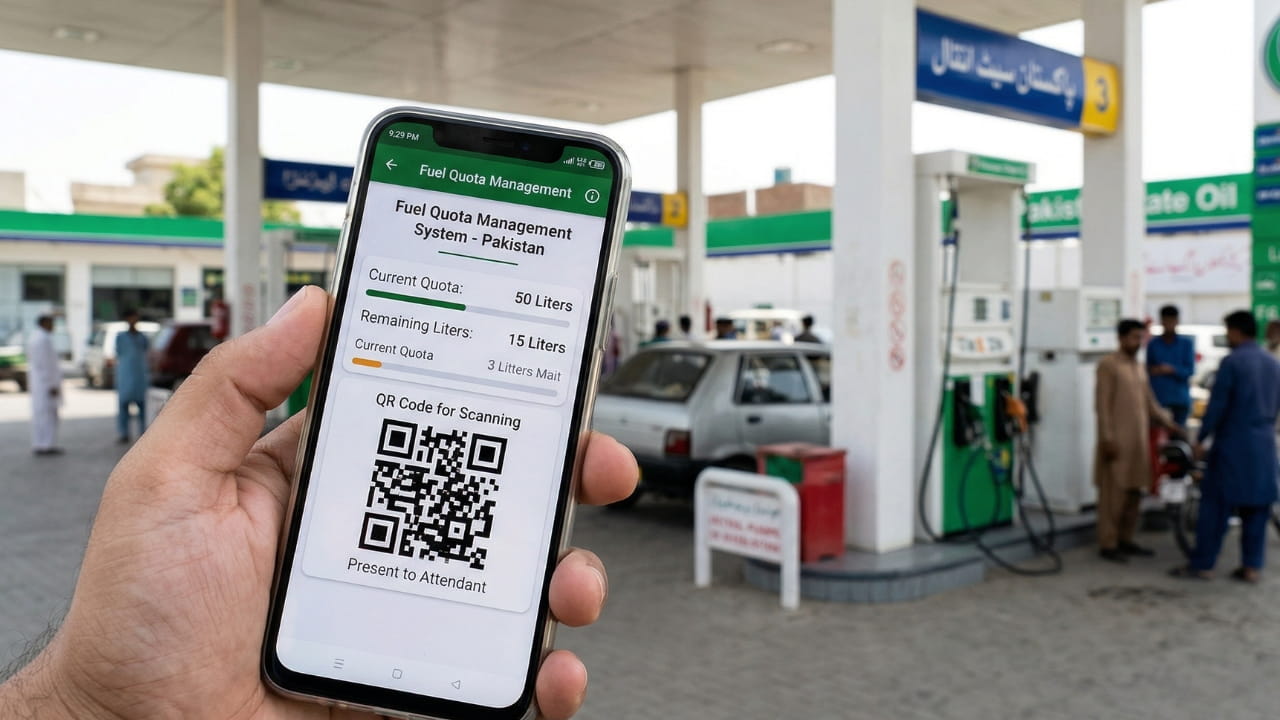
If you woke up to news that the Pakistani government might soon tell you how much petrol you can buy for your car each month, you are not alone in feeling confused.
Social media and news outlets are buzzing with reports about a digital fuel management system. Some headlines suggest a strict monthly quota for private vehicles, while others claim it is just a subsidy system for rickshaws and motorcycles.
The truth lies somewhere in between. Here is everything you need to know about the proposed petrol quota system, what is confirmed, what is still under review, and how it will actually affect your daily life.
What Is the Government Planning? The Short Version
The federal government is rolling out a nationwide digital monitoring system for petrol pumps. Think of it as a digital ledger that tracks every liter of fuel sold in real time.
| Status | Details |
|---|---|
| Confirmed<\/td> | A mobile app-based system to monitor fuel sales is ready. Special smartphones costing approximately Rs36,000 will be deployed at petrol pumps across the country.<\/td> |
| Confirmed<\/td> | A subsidized fuel quota will be implemented specifically for two-wheelers (motorcycles) and three-wheelers (rickshaws).<\/td> |
| Unconfirmed<\/td> | Whether private car owners will have a fixed monthly limit is still under discussion.<\/td> |
Who Will Be Affected? Two-Wheelers vs Four-Wheelers
The primary driver behind this technology is targeted subsidy delivery, not necessarily rationing for the rich.
Motorcycles and Rickshaws: The Target Beneficiaries
The government has admitted that low-income users, including delivery riders and daily wage earners, are being crushed by high fuel prices. Under the new system, owners of motorcycles and possibly 800cc cars will register via a mobile app linked to their CNIC and vehicle registration number. They will receive a fixed monthly quota, with reports suggesting 20 to 30 liters, at a subsidized rate. If they try to buy more than their quota, the app will automatically block the transaction.
Private Car Owners: The Confusion
This is where most of the panic is coming from. While some media outlets claim all vehicles will face a quota, official sources suggest otherwise. As of April 2026, the government has not officially announced a strict monthly limit for private cars for non-subsidized fuel. Authorities are considering more drastic measures, such as allowing cars with odd or even number plates on alternate days, only if the energy crisis worsens significantly due to the Middle East war.
The bottom line for car owners is that you likely will not face a quota for regular-priced petrol yet. However, you will likely lose access to subsidies. The government plans to remove subsidies for four-wheelers to save money.
Quota System: Who Gets What?
Motorcycles and Rickshaws
20 to 30 liters per month at subsidized rate
Registration via CNIC and vehicle number
App blocks transactions beyond quota
Private Car Owners
No strict monthly limit confirmed yet
Will likely pay market rates without subsidy
Odd-even plate proposal only if crisis worsens
Why Is the Government Doing This?
There are two major reasons for this digital crackdown.
- The Middle East Crisis and Supply Fears: The ongoing war has closed the Strait of Hormuz, a key route for global oil. Pakistan is bracing for a potential supply shortage. The government wants a system ready to ration fuel instantly if imports stop.
- Stopping Subsidy Leakage: Currently, the government gives subsidies to lower fuel prices. However, wealthy car owners benefit from these subsidies just as much as poor motorcyclists. The digital app ensures that only those who truly need help, such as motorcycles and rickshaws, get the cheap petrol.
How the Digital Fuel Management System Works
The technology is ready. Here is how your trip to the petrol pump will change.
- The Hardware: Every petrol pump will receive two special government-approved mobile phones costing Rs36,000 each.
- The App: You will use a consumer app to generate a digital voucher or QR code before filling up.
- The Check: The pump attendant scans your code. The system instantly checks your vehicle registration and remaining quota.
- The Limit: If you try to buy 30 liters but your quota or subsidy limit is only 20 liters, the pump will either stop automatically or charge you a higher, non-subsidized price.
Digital Fuel Management System at a Glance
Frequently Asked Questions
Will I need a smartphone to buy petrol now?
Likely yes, if you want subsidized fuel. For regular, full-priced petrol, the government may still allow cash purchases, but the plan is to move toward full digital monitoring to prevent hoarding.
How much petrol will I be allowed per month?
If you own a motorcycle, estimates suggest a quota of 20 to 30 liters per month at subsidized rates. If you own a car, no specific private quota has been locked in yet, but you may be asked to pay market rates without a subsidy cap.
When will this system start?
The technical preparations including device testing and app development are complete. The Ministry of IT has sent the summary to the Cabinet Division for final approval. An official announcement regarding the exact quota amount is expected soon.
Why do petrol pumps need special Rs36,000 phones?
These are not regular phones. They are rugged devices likely with enhanced security features, long battery life, and specific hardware to integrate with the fuel dispensing machines to prevent tampering or meter theft.
What happens if I run out of quota before the month ends?
For subsidized fuel, you would likely have to pay the market rate or higher price, or wait until the next month. The system is designed to conserve cheap fuel for the poor. There will likely be an emergency approval process for exceptional cases.
The Bottom Line
Do not panic about a total ban on petrol for car owners just yet. The government is building a digital fence around subsidies. Motorcycles will get a cheap quota. Cars will likely pay full price.
However, given the instability in the Middle East, this digital system acts as a safety net. If a real shortage hits, Pakistan now has the technology to ration fuel fairly across all vehicles overnight.
Share this Business Update:
Leave a Comment
Your feedback is important to us. Submitted comments are kept private and are for internal review only.