Iran Shifts All Universities to Virtual Learning Amidst Escalating Regional Conflict
Published by VerseZip Education Desk
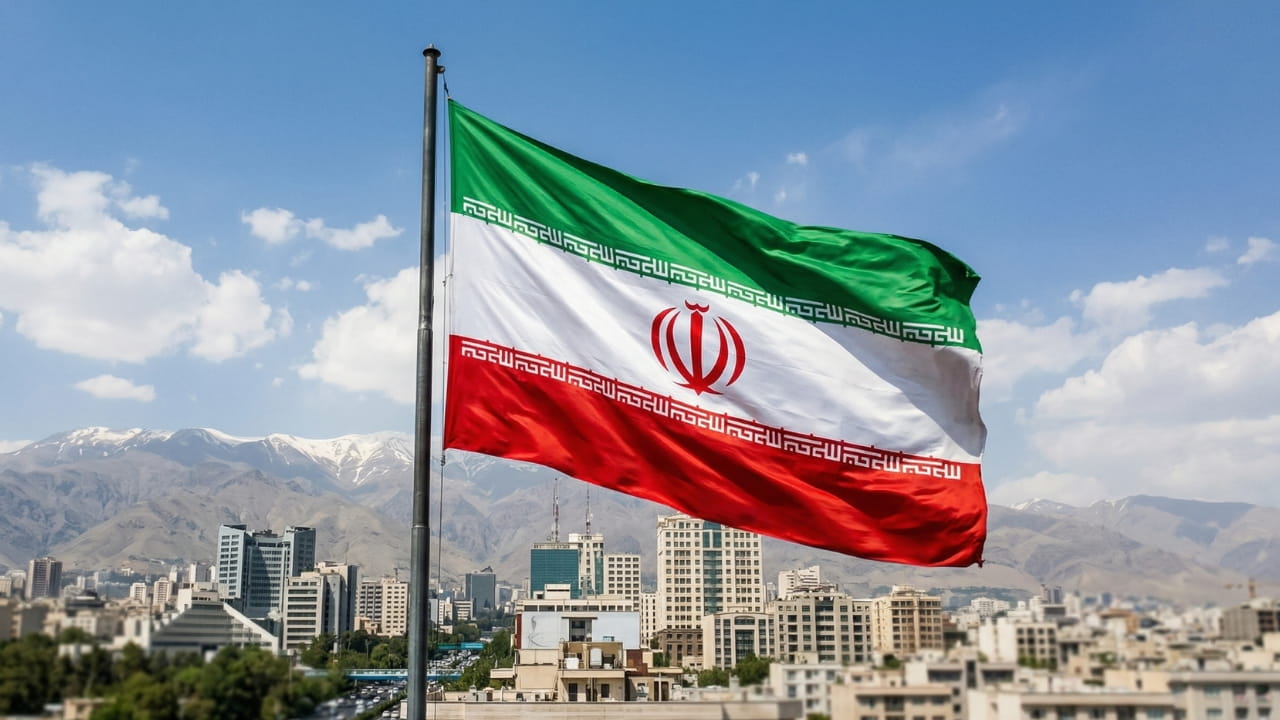
In a significant move reflecting the deepening security crisis in the region, the Iranian government has announced the complete transition of all university and higher education courses to online platforms. Effective immediately, campuses across the nation will remain physically closed as the country navigates a tense geopolitical landscape.
The Shift to Digital Campuses
According to state media reports and official announcements from the Iranian government spokesperson, the decision to resume academic activities virtually aims to ensure the safety of students and faculty. While the resumption of classes suggests a return to normalcy, the mandatory online format indicates that the threat level on the ground remains high.
| Date | Event |
|---|---|
| March 31, 2026 | Ministry of Science, Research and Technology ordered closure of student dormitories |
| April 4, 2026 | Official start date for all-virtual instruction nationwide |
| April 5, 2026 | Deadline for all institutions to finalize transition to online platforms |
The decision was made to prevent disruption to the academic calendar while safeguarding lives amidst the ongoing conflict, a ministry spokesperson stated. This is a temporary measure, and authorities are monitoring the situation closely.
Security Threats and the Legitimate Target Doctrine
The pivot to online learning is not merely a public health measure but a direct response to the militarization of the conflict. Over the past week, the conflict between Iran and US-Israeli forces has escalated dramatically, spilling into the educational sector.
In the days leading up to the closure, Iranian universities became explicit targets of military strikes. The University of Science and Technology in Tehran was reportedly bombed in late March, and the Isfahan University of Technology was struck twice within a week, marking a deliberate targeting of scientific infrastructure.
In retaliation for these strikes, the Islamic Revolutionary Guard Corps issued a stark warning. The IRGC declared that all American and Israeli universities operating in West Asia are now considered legitimate targets. The IRGC has demanded that the US government officially condemn the strikes on Iranian universities. Until that happens, the IRGC warns staff and students to stay at least one kilometer away from US-affiliated campuses in the region to avoid being caught in potential retaliatory attacks.
Affected Institutions
- University of Science and Technology (Tehran): Reportedly bombed in late March
- Isfahan University of Technology: Struck twice within a week
- American University of Beirut (AUB): Moved to remote operations for two days (March 30-31)
- University of Madaba (Jordan): Shifted to online learning until at least April 2
Regional Spillover: US Universities in the Gulf on Alert
The threat has already sent shockwaves through the Middle East's academic community. Prestigious institutions with ties to the West have taken preemptive action. The American University of Beirut moved to remote operations for two days on March 30-31, citing threats against American universities in the region. The University of Madaba in Jordan also announced a shift to online learning until at least April 2.
These precautions highlight the unique danger of the current conflict, where civilian infrastructure, including schools, is directly in the crosshairs of military rhetoric.
Situation on the Ground: Explosions in Tehran
The urgency of the shift was underscored by events in the capital. On the night of April 3, residents in northern Tehran reported hearing multiple explosions. While authorities have yet to confirm specific casualties or financial damages from these particular blasts, the incidents have induced widespread panic. State media reported that a strategic bridge in the northern town of Karaj was struck, with some strikes occurring as emergency teams rushed to the scene.
How to Access the New Virtual System
If you are a student in Iran or a parent trying to understand the next steps, follow these methods to adapt to the new situation.
Step by Step Guide for Students
- Register for the National LMS: Visit your university's official website with .ac.ir domain. Navigate to the Virtual Education section. Use your National Student ID Number to reset your password.
- Hardware Preparedness: Ensure your laptop or tablet is fully charged or connected to a UPS, as power fluctuations are common during conflicts. Download the official platforms used by most Iranian universities for live streaming.
- Communication Protocol: Join your class's official messaging groups for real-time updates if the main server goes down. If an explosion occurs nearby, students are not penalized for leaving a live session. The Emergency Disconnect Policy allows you to rejoin later without being marked absent.
- Verification of Official Communications: Always verify news against official news agency sources to avoid misinformation regarding attack locations or exam schedules.
Global Context: A Month of War
This educational disruption is part of a broader crisis. The conflict, now entering its second month, has seen Iran and its allies exchange heavy fire with Israel and the United States. The Strait of Hormuz has been effectively closed, causing oil prices to surge to around $110 per barrel. The World Bank has warned of mounting risks to global inflation, jobs, and food security as the war shows no sign of easing.
Frequently Asked Questions
Are Iranian universities completely closed?
No. The campuses are physically closed, but the universities are operationally active. All classes have resumed exclusively via online platforms until further notice.
Why did Iran move classes online?
The decision was driven by security concerns following direct military strikes on Iranian university buildings by US-Israeli forces. It is a protective measure to keep students and staff away from potential targets.
What is the legitimate target warning issued by Iran?
The IRGC has warned that it views US and Israeli universities located in the West Asia region as legitimate military targets in retaliation for attacks on Iranian schools. They have advised people to stay away from these campuses.
Have explosions been confirmed in Tehran?
Yes. International media and local sources reported the sound of multiple explosions in northern Tehran on April 3-4. Authorities are assessing the damage, though no official casualty count has been released yet.
Is this affecting only Iran?
No. The threat has prompted US-affiliated universities in Lebanon and Jordan to temporarily switch to online learning as a precaution against potential Iranian retaliation.
What should students do about housing?
Non-local students were ordered to vacate dormitories by March 31. Students are advised to return to their family homes or arrange private accommodation outside of high-risk zones. Universities are required to provide pro-rated refunds for unused housing fees.
What about students with poor internet access?
The Ministry of ICT has temporarily increased bandwidth for educational domains and removed data caps for specific university IP addresses. Students are encouraged to use offline study modes by downloading lectures via the university app when connectivity is stable during early morning hours.
Final Thoughts
As the conflict continues to escalate, Iran's pivot to online education represents a survival mechanism for its academic year. While students remain at home, the world watches to see whether the targeting of educational institutions will continue and whether US and Israeli campuses in the Gulf will face the retaliation Tehran has promised.
The situation remains fluid. Students, faculty, and parents are advised to stay updated through official government and university channels for further announcements regarding the security situation and educational policy changes.
Sources: Iranian Ministry of Science, Research and Technology; Islamic Republic News Agency; Islamic Revolutionary Guard Corps statements; international media reports.
Share this Education Update:
Leave a Comment
Your feedback is important to us. Submitted comments are kept private and are for internal review only.