Karachi Faces Surge in Gastro Cases Ahead of Ramadan: Urgent Advisories Issued
Published by VerseZip
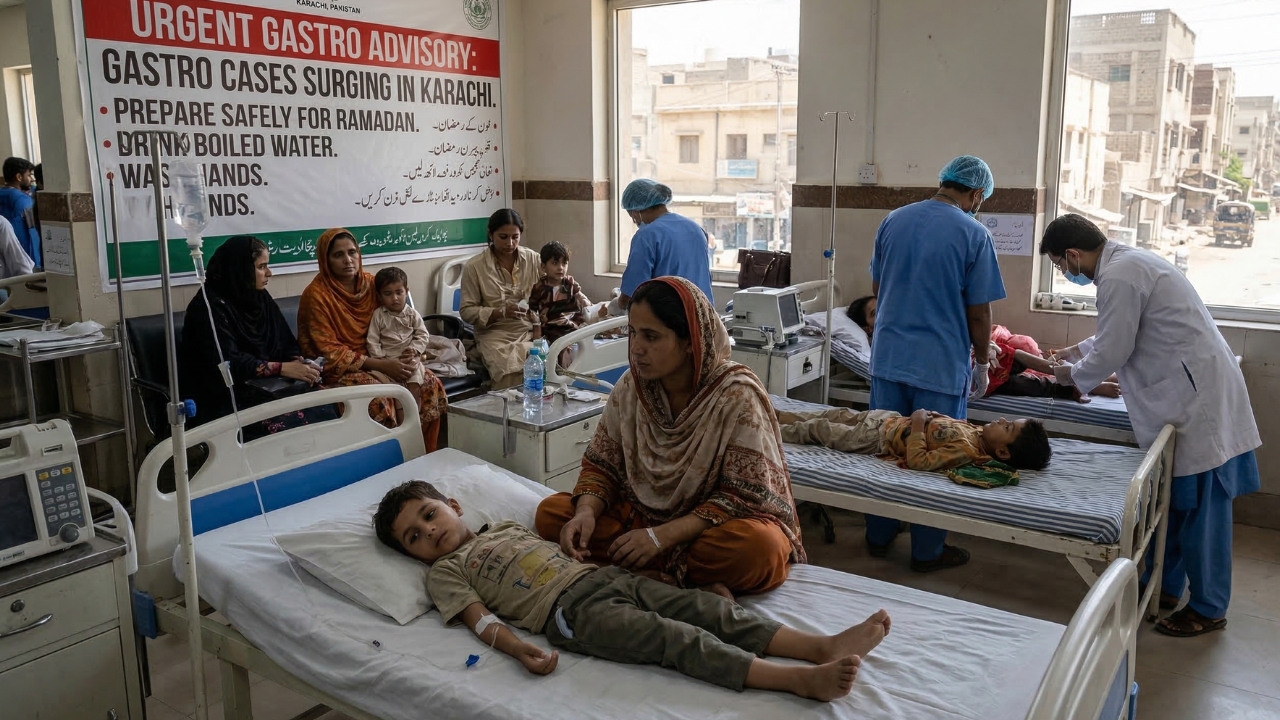
With the holy month of Ramadan just around the corner, health authorities in Sindh are raising urgent alarms. Karachi is currently experiencing a sudden and severe spike in gastroenteritis cases, sending hundreds of citizens to local emergency wards every single day.
Major government and private hospitals across the metropolis are reporting a massive influx of patients of all ages. Most individuals are arriving with classic symptoms of food poisoning, including severe stomach cramps, nausea, and extreme dehydration. Medical experts are linking this rapid outbreak to fluctuating weather conditions, contaminated water supplies, and the consumption of unhygienic street food.
Health Ministry Demands Immediate Action
In response to the growing health crisis, the Sindh Ministry of Health has issued strict directives to local municipalities. They are demanding immediate improvements in public water safety measures and a rigorous crackdown on unhygienic food vendors across the city.
"This surge is highly concerning, especially as we approach Ramadan," a senior health official stated during a press briefing today. "Fasting requires the body to be in optimal condition. If people are starting their fasts while suffering from gastrointestinal infections, the risk of severe, life-threatening dehydration increases drastically."
"We are urging the public to be extremely mindful of what they eat and drink. Boiled water and freshly cooked homemade meals are your best defense against this outbreak right now."
Crucial Precautions for Citizens
To ensure a safe and healthy environment before and during Ramadan, doctors are strongly advising the residents of Karachi to adopt basic preventative measures immediately.
Citizens are urged to completely avoid eating raw or exposed street food, particularly items containing dairy or cut fruits that have been sitting out in the open air. Furthermore, ensuring that drinking water is properly boiled or filtered is absolutely essential to stop the spread of waterborne pathogens.
Key Prevention Guidelines:
- Water Safety: Always boil tap water for at least 3-5 minutes before drinking or using it to wash fruits and vegetables.
- Food Hygiene: Avoid uncovered street food, particularly fried items and sugary drinks sold by roadside vendors.
- Hand Washing: Wash hands thoroughly with soap and water before meals and after using the restroom.
- Hydration: If symptoms appear, immediately start using ORS (Oral Rehydration Salts) to prevent dangerous dehydration.
Preparing for a Healthy Ramadan
As the community gears up for a month of spiritual reflection and fasting, maintaining physical health is paramount. Local hospitals have been put on high alert, and extra beds have been arranged in emergency wards to accommodate the continuous flow of patients.
By staying informed and practicing strict food and water safety, citizens can protect themselves and their families, ensuring a peaceful, healthy, and spiritually fulfilling Ramadan.
Share this Health Advisory:
Leave a Comment
Your feedback is important to us. Submitted comments are kept private and are for internal review only.