CCD Dress Code 2026: Why Shalwar Kameez Is Now Banned for Crime Control Department Staff
Published by VerseZip Current Affairs Desk
Updated April 6, 2026 — Latest Policy Changes by Punjab Government
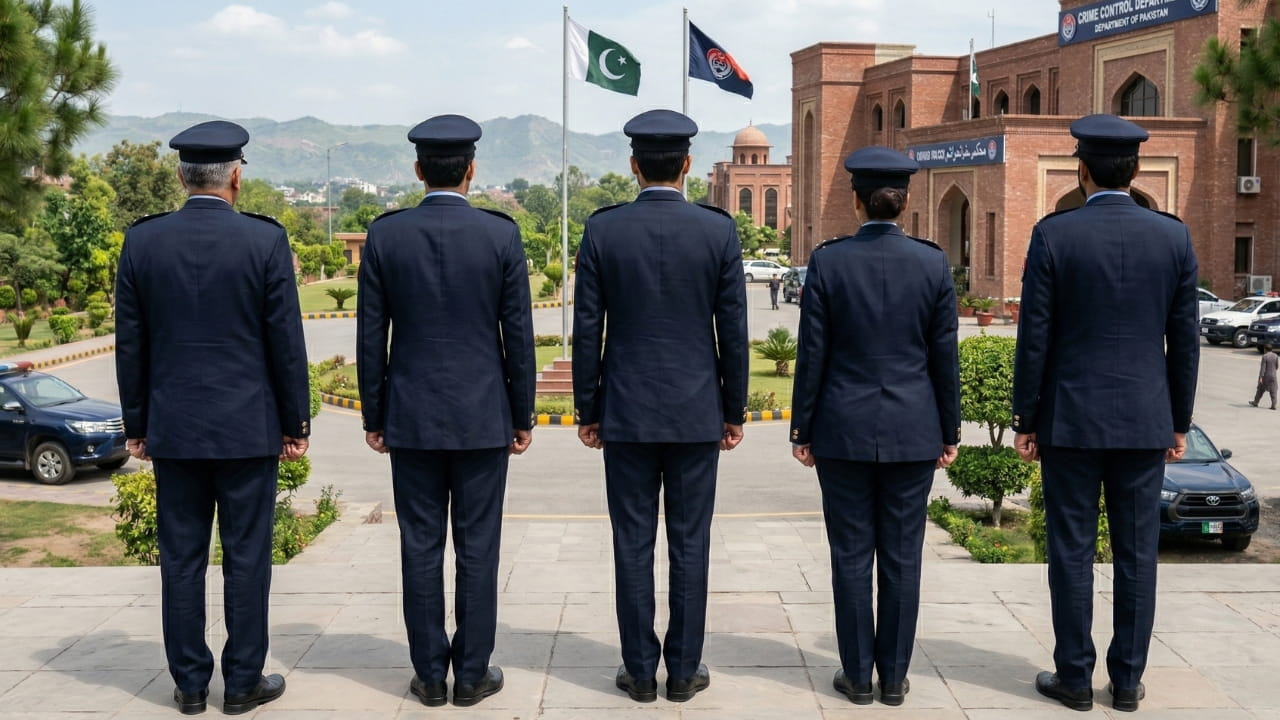
You are a law enforcement officer. You put your life on the line every day. And now, someone is telling you that your shalwar kameez, the national dress you have worn your entire life, is no longer acceptable on duty.
That is exactly what is happening right now. The Crime Control Department in Punjab has just issued a controversial new dress code directive. And people are talking. Let us break down exactly what changed, why the government made this decision, and how officers are reacting.
The Headline: Shalwar Kameez Banned, Pants and Shirt Mandatory
The Crime Control Department has issued new guidelines that fundamentally change how its officers dress while on duty. Here is the simple breakdown.
| Old Dress Code | New Dress Code (Effective Immediately) |
|---|---|
| Shalwar kameez (traditional) | Pants and shirt (western formal) |
| Any professional attire | Specific mandatory uniform |
| Friday relaxation allowed | No exception even on Fridays |
According to officials, all CCD officers and staff will now be required to wear pants and a shirt while on duty. The use of shalwar kameez has been completely prohibited.
When Does This Apply? Always
This is not a most of the time rule. The government has made it clear that there are no exceptions. The dress code applies during regular duty hours, raid operations to maintain clear professional identity, official meetings, and Fridays when traditional dress is commonly worn in Pakistan. Strict departmental action will be taken against anyone who violates the new rules.
Why Did the CCD Ban Shalwar Kameez?
The government has given a practical reason: professional identity. When CCD officers conduct raids or operate in the field, they need to be instantly recognizable as law enforcement. The argument is that a standardized pants-and-shirt uniform creates a clearer, more professional visual identity than the varied styles of shalwar kameez that officers might wear. Sources indicate that the new instructions are specifically designed to ensure personnel maintain a clear professional identity during official duties, especially high-stakes operations.
What Is the CCD? Background Context
The Crime Control Department is a special unit of the Punjab Police, initiated by Chief Minister Maryam Nawaz and established on February 26, 2025. It was created to deal with serious and organized crime in Punjab, including land grabbing, extortion, kidnapping, and organized gang activity.
The Cultural Context: Not the First Dress Code Controversy
This is not happening in a vacuum. Dress code debates have been heating up across Pakistan for years.
Earlier in 2025: Punjab Bans Jeans and T-Shirts for Teachers
Just last year, the Punjab School Education Department issued new dress code guidelines for teachers in both public and private schools. Female teachers were required to wear shalwar kameez and dupatta. Male teachers were banned from wearing jeans and t-shirts. The reaction on social media was swift, with comments questioning why the government was policing people's attire instead of focusing on education system updates.
The Islamabad Club Precedent
Even the Islamabad Club, an elite social venue, has faced scrutiny over dress codes. In January 2023, the Public Accounts Committee directed the Cabinet Division to modify its policy that restricted people wearing shalwar kameez from entering the club premises. One MNA famously declared he would go to the Club in traditional dress and dare them to stop him.
The Historical Debate
The tension between traditional and western dress in Pakistan is not new. Back in 2013, a golf course in Bhurban run by the Pakistan Army had a signboard stating that Bermuda shorts and shalwar kameez were not allowed. The columnist who reported this wrote that barring visitors in shalwar kameez, which happens to be the national dress, is akin to self-abuse, comparing it to colonial-era signboards stating that locals and dogs are not allowed.
The Friday Question: Why No Exceptions?
This is the part that has surprised many people. In Pakistan, Fridays hold special religious significance. Many people, including government officials, wear traditional shalwar kameez to Friday prayers and keep it on for the rest of the workday.
The new CCD policy explicitly states that no relaxation will be given even on Fridays. This means officers will need to change out of their Friday prayer clothes before returning to duty, or simply wear pants and shirt to prayers.
Frequently Asked Questions
Does this apply to all CCD officers or just certain ranks?
According to available information, the directive applies to all CCD officers and staff without rank-based exceptions.
Is the CCD part of Punjab Police or a separate agency?
The CCD is a special unit within the Punjab Police structure. It reports through the Punjab Police hierarchy but operates with significant autonomy, including its own police stations and investigation wings.
Can officers wear shalwar kameez during undercover operations?
The directive specifically mentions that the dress code applies during raid operations to ensure clear professional identity. This suggests that even tactical operations require the standardized pants-and-shirt uniform.
What about extreme summer heat? Is pants and shirt practical?
This is a genuine practical concern. Shalwar kameez is generally more breathable in Pakistan's hot climate. Officers may face comfort challenges, especially during outdoor operations in summer months.
Has any other province implemented similar rules?
Currently, this appears to be specific to the Punjab CCD. Other provinces and other Punjab Police units have not announced similar changes at this time.
Public Reaction and Debate
While official public statements from officers are limited due to fear of departmental action, social media and opinion pages have been active.
Arguments supporting the change:
- Standardized uniforms create clearer authority recognition
- Professional appearance matters in law enforcement
- Many international police forces use similar attire
Arguments against the change:
- Shalwar kameez is the national dress of Pakistan
- Policy appears to favor western clothing over local tradition
- No evidence that clothing affects crime-fighting effectiveness
- Adds financial burden on officers to purchase new uniforms
- Impractical for Pakistan's hot climate
What This Means for CCD Officers
If you are a CCD officer reading this, here is what you need to know. Compliance is not optional. The authorities have warned that strict departmental action will be taken against violators. There are no Friday exceptions, so plan your weekly schedule accordingly. Even raid operations now require pants and shirt, and official meetings are included as well.
The Bottom Line
The CCD dress code change is a significant policy shift that prioritizes a specific vision of professional identity over traditional attire. Whether you see this as necessary modernization or cultural insensitivity likely depends on your perspective.
What is clear is that the government is serious about enforcement. With strict departmental action promised for violators and no exceptions even on Fridays, CCD officers have a clear choice: adapt to the new uniform or face the consequences.
For the rest of Pakistan, this raises a broader question. As institutions modernize, how do we balance professional standards with cultural identity? The debate is far from over.
This article was updated on April 6, 2026, based on the latest CCD directives. Policy details are subject to change. Verify with official CCD communications before taking action.
Share this Current Affairs Update:
Leave a Comment
Your feedback is important to us. Submitted comments are kept private and are for internal review only.