Pakistan Becomes World's Peacemaker: How Shehbaz Sharif and Army Chief Averted a US-Iran War
Published by VerseZip Current Affairs Desk
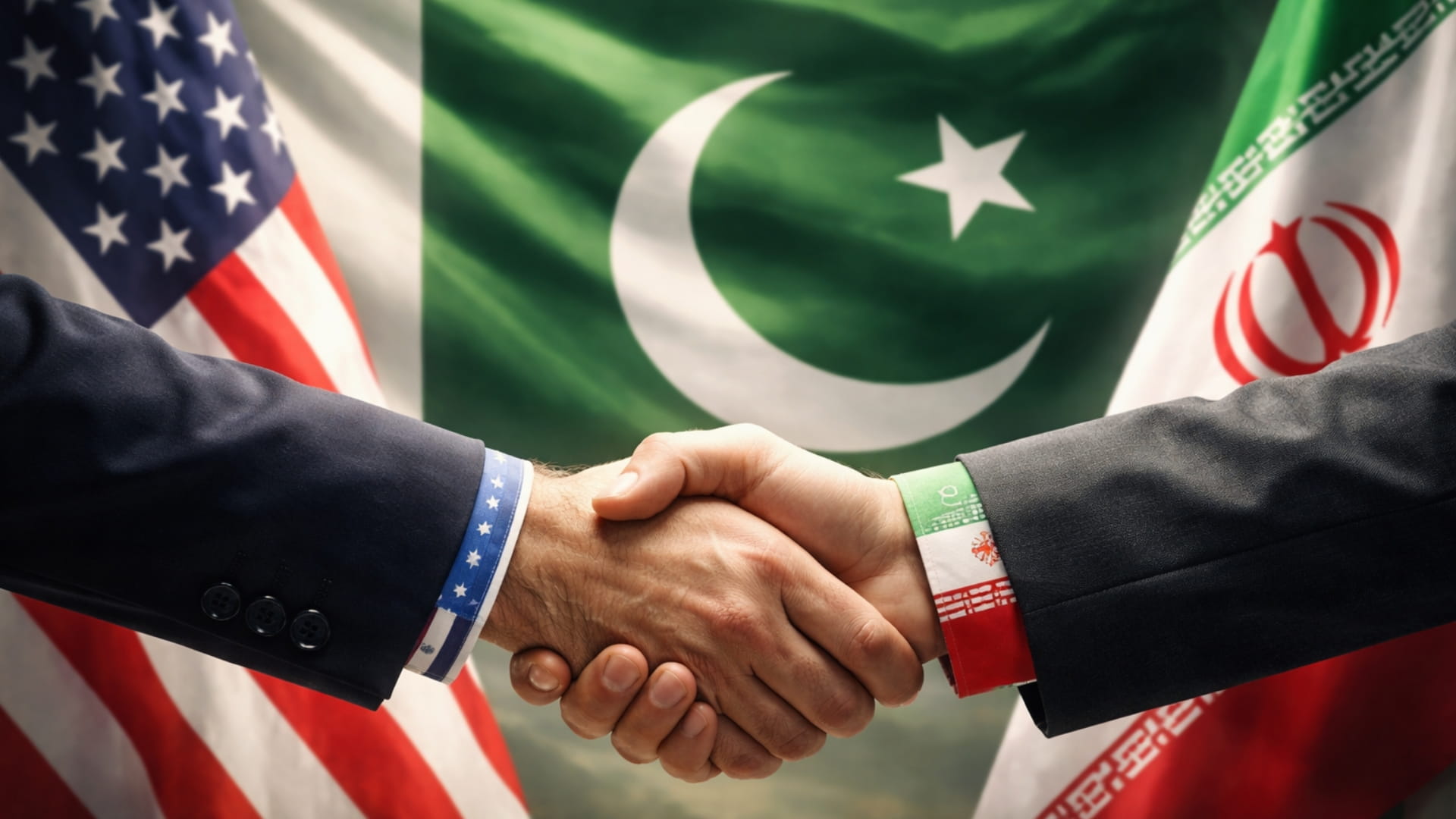
Just two hours before a catastrophic deadline, Pakistan pulled off what the whole world thought was impossible.
The date was April 7, 2026. Former US President Donald Trump had given Iran an ultimatum: agree to a deal by 8:00 PM Eastern Time, or face the bombing of its bridges, power plants, and infrastructure. His chilling words on Truth Social sent shockwaves across the globe: "A whole civilization will die tonight, never to be brought back."
Then, something unexpected happened. Pakistan's Prime Minister Shehbaz Sharif and Chief of Army Staff Field Marshal Asim Munir stepped in. Through intense back-channel diplomacy, they convinced the world's most powerful superpower to pull back from the brink.
The Crisis: How the Middle East Reached the Edge of Disaster
On February 28, 2026, the United States and Israel launched a joint military offensive against Iran. What followed was over a month of devastating conflict. Over 1,400 people lost their lives. Iran closed the Strait of Hormuz, a narrow waterway through which 20 per cent of the world's oil used to flow. Global fuel prices skyrocketed, causing economic pain as far away as Pakistan and Europe.
As the war dragged on, Trump issued a series of escalating threats. His final deadline was April 7 at 8:00 PM ET. He promised to destroy every bridge in Iran and every power plant in Iran. His language was apocalyptic. He warned that an entire civilization would perish. The world held its breath.
How Pakistan Stepped In: The Mediation Timeline
While other countries stayed silent, Pakistan took action. Here is the step-by-step timeline of how Islamabad pulled off a diplomatic miracle.
| Phase | Timeline | Action |
|---|---|---|
| 1 | Day 1 of War | PM Shehbaz Sharif and Deputy PM Ishaq Dar began dialing leaders in Tehran, Gulf capitals, and Washington, delivering a message to stop fighting. |
| 2 | March 2026 | Pakistan shuttled a 15-point US peace proposal to Iran and a 5-point Iranian counter-proposal back to Washington. |
| 3 | March 29, 2026 | Pakistan hosted Foreign Ministers of Saudi Arabia, Türkiye, and Egypt in Islamabad, securing their backing for mediation. |
| 4 | April 7, 2026 | PM Shehbaz Sharif publicly requested a two-week extension to Trump's deadline while COAS Asim Munir held secure military-to-military calls. |
| 5 | April 7, 2026 (Less than 2 hours before deadline) | Trump agreed to suspend bombing for two weeks; Iran ceased defensive operations. A ceasefire was born. |
The Last-Minute Plea
"I earnestly request President Trump to extend the deadline for two weeks. Pakistan, in all sincerity, requests the Iranian brothers to open the Strait of Hormuz for a corresponding period as a goodwill gesture."
— Prime Minister Shehbaz Sharif on social media platform X, April 7, 2026
What Happens Next? The Islamabad Talks (April 11-13, 2026)
The ceasefire is just the beginning. Now comes the hard part: negotiating a permanent end to the war. Historic direct talks will be held in Islamabad starting Saturday morning, April 11, 2026.
| Country | Delegation Leaders | Role |
|---|---|---|
| United States | Vice President JD Vance (leading), Steve Witkoff (Middle East Envoy), Jared Kushner (Senior Advisor) | Negotiating permanent ceasefire |
| Iran | Foreign Minister Abbas Araghchi, Parliament Speaker Bagher Ghalibaf, 4 senior Revolutionary Guard commanders | Presenting 10-point peace framework |
| Pakistan | Prime Minister Shehbaz Sharif, Deputy PM Ishaq Dar, Army Chief Field Marshal Asim Munir | Mediators and hosts |
Global Reaction: World Leaders Thank Pakistan
Pakistan's mediation has earned rare, bipartisan praise from across the world.
| Leader | Statement |
|---|---|
| UN Secretary-General António Guterres | Welcomed the ceasefire and expressed sincere appreciation for the efforts of Pakistan. |
| German Chancellor Friedrich Merz | We thank Pakistan for its mediation. Finally, some good news in politics too. |
| Malaysian Prime Minister Anwar Ibrahim | Appreciated Pakistan's tireless and courageous diplomacy and highest traditions of Muslim solidarity. |
| Australian Prime Minister Anthony Albanese | We thank and support the work of negotiators, including Pakistan. |
| British High Commissioner Jane Marriott | Thank you, Pakistan, for the quiet, effective, diplomatic role you have played. |
| Kazakhstan President Kassym-Jomart Tokayev | Credited the ceasefire to mediation of Prime Minister Shehbaz Sharif and COAS Asim Munir. |
Why Pakistan? The Secret to Its Diplomatic Power
Experts point to three unique advantages that made Pakistan the ideal mediator.
- Pakistan Talks to Everyone: Pakistan has strong relationships with both the US and Iran, a 900 km border with Iran, deep historical ties, and a strategic defense pact with Saudi Arabia.
- Pakistan Has Done This Before: Islamabad has helped broker talks between Saudi Arabia and Iran, as well as dialogue between Afghanistan and the United States.
- Pakistan Has Skin in the Game: A wider Iran war would embolden militant groups on Pakistan's western border, and Pakistan relies on affordable oil from the Gulf.
The Fragile Truce: Challenges Remain
- Israel's Role: Israel agreed to stop firing on Iran but has continued its operations in Lebanon. Iran has warned that if Israeli attacks on Lebanon continue, Tehran will withdraw from the ceasefire.
- The Clock Is Ticking: The current ceasefire lasts only two weeks. If the Islamabad talks fail to produce a permanent deal by late April, the region could slide back into all-out war.
Frequently Asked Questions
What exactly did Pakistan do to broker the US-Iran ceasefire?
Pakistan acted as a mediator, shuttling peace proposals between Washington and Tehran. Prime Minister Shehbaz Sharif publicly requested a two-week extension to Trump's bombing deadline, while the Army Chief held secure military-to-military communications urging restraint.
When and where will the US-Iran talks take place?
The talks begin Saturday, April 11, 2026, in Islamabad, Pakistan. They will be held at a secure military site under Pakistan Army security.
Who is representing the US at the Islamabad talks?
Vice President JD Vance is leading the US delegation, joined by Middle East envoy Steve Witkoff and Jared Kushner.
Who is representing Iran at the talks?
Iran is sending Foreign Minister Abbas Araghchi, Parliament Speaker Bagher Ghalibaf, and four senior Revolutionary Guard commanders.
Is the ceasefire holding?
Mostly, but there have been reported violations, particularly involving Israeli strikes in Lebanon. Pakistan has urged all parties to respect the two-week truce.
Why did the US agree to let Pakistan mediate?
The US trusts Pakistan's unique position. Pakistan has ties to both Washington and Tehran, has mediated regional conflicts before, and has a strategic interest in stability because of its border with Iran and its reliance on Gulf oil.
The Bottom Line
Pakistan has placed itself at the center of world diplomacy. For a country often in the news for economic struggles or political turbulence, this is a moment of genuine pride.
Prime Minister Shehbaz Sharif and Field Marshal Asim Munir did not just save lives in Iran and the United States. They protected global oil supplies, stabilized the world economy, and gave diplomacy a fighting chance.
Now, all eyes are on Islamabad. The world is watching to see if Pakistan can close the deal and turn a two-week pause into a permanent peace.
One thing is certain: whether the talks succeed or fail, Pakistan has proven it belongs at the highest table of global diplomacy.
This article was written on April 9, 2026, based on verified statements from the Associated Press of Pakistan, Anadolu Ajansı, Xinhua News, China Daily, and official social media accounts of world leaders. As the situation develops, check back for updates.
Share this Current Affairs Update:
Leave a Comment
Your feedback is important to us. Submitted comments are kept private and are for internal review only.