Pakistan Repays $3.5 Billion to UAE: National Dignity vs Economic Reality
Published by VerseZip Current Affairs Desk
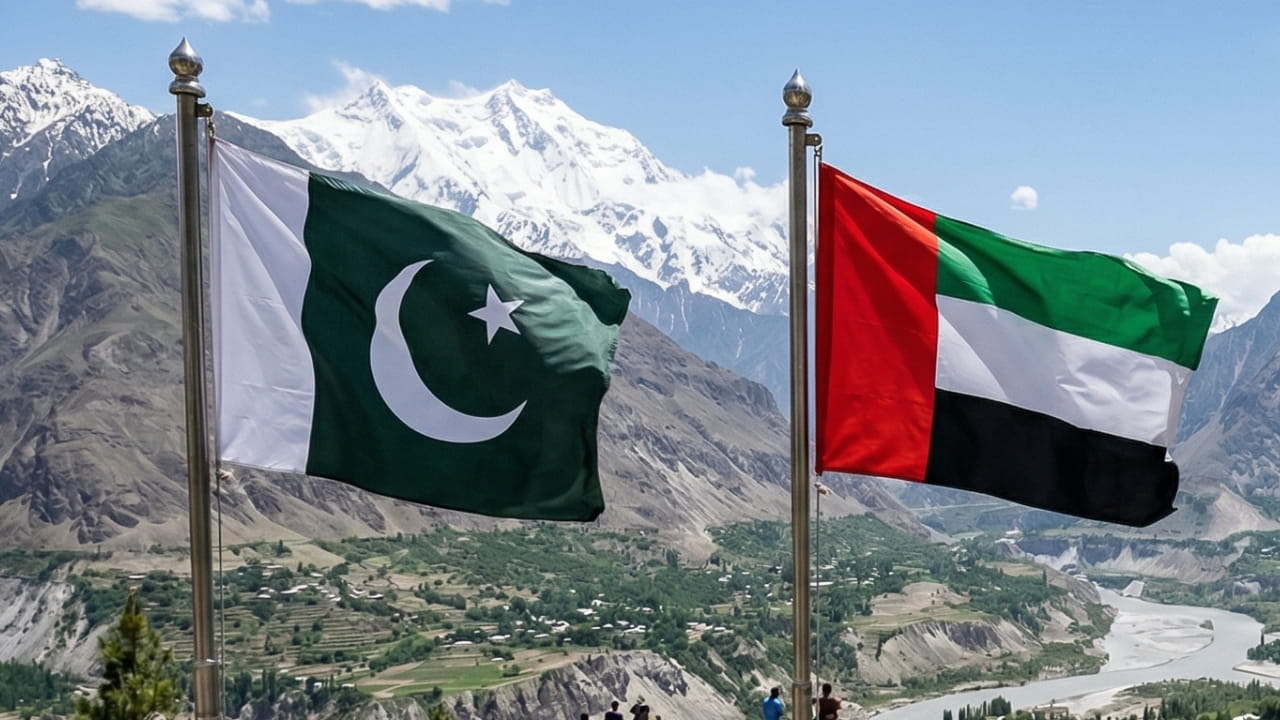
In a bold move that has sent ripples through the country's financial circles, Pakistan has officially decided to repay the entire $3.5 billion debt owed to the United Arab Emirates by the end of this month. A senior government official described the decision as a necessary step to uphold national dignity, even as experts warn of significant pressure on the country's foreign exchange reserves.
The decision ends months of uncertainty surrounding the fate of these deposits. For years, the UAE had regularly rolled over the debt, but recent shifts, including a reduction to short-term, month-to-month extensions, prompted Islamabad to clear the books entirely.
The Repayment Schedule: A Three-Week Timeline
Pakistan has drawn up a tight, three-part repayment schedule to clear the dues within April. According to official sources and finance ministry confirmations, the outflows are planned as follows:
| Tranche | Amount | Expected Date | Notes |
|---|---|---|---|
| First Tranche | $450 Million | April 11 | Historic loan from 1996-97, rolled over for nearly three decades |
| Second Tranche | $2 Billion | April 17 | Largest single payment from 2019 financial support package |
| Third Tranche | $1 Billion | April 23 | Completes repayment of remaining principal amount |
In addition to the $3.5 billion owed to the UAE, Pakistan is also facing a separate $1.3 billion Eurobond maturity on April 8. Combined, the total external outflows for the month of April are expected to reach nearly $4.8 billion.
The Reserve Reality: From $16.3 Billion to $12.8 Billion
The most immediate consequence of this repayment is the impact on the State Bank of Pakistan's foreign exchange reserves. According to the latest data, the central bank reserves stood at approximately $16.3 billion prior to this announcement. After the $3.5 billion transfer, analysts project the reserves will drop to around $12.8 billion, a reduction of roughly 18 to 20 per cent.
Reserve Impact Analysis
What This Means for the Economy
- Import Cover: A lower reserve level reduces the number of months of import cover Pakistan can sustain. While $12.8 billion is still above critical thresholds, it narrows the safety buffer significantly.
- Rupee Pressure: Higher demand for US dollars to facilitate the overseas repayment could put downward pressure on the Pakistani Rupee against the dollar.
- IMF Conditions: Under the current $7 billion IMF program, Pakistan was required to secure $12.5 billion in rollovers from friendly nations including China, Saudi Arabia, and the UAE. The removal of the UAE deposit creates a gap that must be filled by other inflows to keep the program on track.
Why Did the UAE Demand Its Money Back?
The shift in the UAE's lending policy did not happen in a vacuum. Several geopolitical and economic factors led to Abu Dhabi tightening the terms.
1. The Shift from Long-Term to Month-to-Month Rollovers
Historically, the UAE rolled over deposits for years at a time. However, in recent months, extensions were granted for only one month at a time. This created an unsustainable financial cliffhanger for Pakistan, making long-term economic planning difficult.
2. Rising Interest Rates
The cost of borrowing also increased. While the loans carried an interest rate of around 3 per cent in 2018, this was reportedly increased to 6.5 per cent last year, making the debt more expensive to maintain.
3. Geopolitical Tensions: The Iran Factor
Several analysts and reports suggest that the ongoing US-Israel-Iran conflict has expedited the process. The UAE, increasingly drawn into regional security dynamics, is reportedly unhappy with Pakistan's perceived closeness to Iran during the war. This diplomatic strain has bled into financial relations.
The National Dignity Argument
Why not just keep rolling over the debt? A senior Pakistani cabinet minister explained that the decision was made to avoid the humiliation of begging for extensions every few weeks. National dignity could not be compromised for financial considerations, the official told reporters.
By repaying the $450 million loan from 1996-97, a 30-year-old short-term loan, and clearing the 2019 deposits, Pakistan aims to reset the relationship, moving from a beggar-creditor dynamic to a potential investment partnership. Officials are reportedly in talks to convert a portion of the repaid amount into direct investment in Pakistan's energy and infrastructure sectors. This also removes the risk of the UAE suddenly refusing a rollover in the future, which would trigger an immediate balance of payments crisis.
"National dignity could not be compromised for financial considerations. By repaying the debt, we remove a sword hanging over our head and reset our relationship with the UAE."
Expert Analysis: Short-Term Pain, Long-Term Gain?
Economic experts are divided on the wisdom of this move.
The Warning Side: Critics argue that dropping reserves by nearly $4 billion in a month is fiscally dangerous, especially when exports are declining by 8 per cent and foreign investment is weak. They fear this could destabilize the rupee and make it harder to pay for essential imports.
The Optimistic Side: Supporters argue that Pakistan cannot live on charity forever. By clearing the debt, Pakistan removes a sword hanging over its head, the monthly rollover threat. It sends a message to the IMF and global markets that Pakistan honors its debts, potentially opening doors for new loans or foreign direct investment.
Frequently Asked Questions
Is Pakistan defaulting by paying this money?
No. Repaying a loan is the opposite of default. However, it does strain liquidity. Pakistan is prioritizing honoring its commitments over hoarding cash, which is a positive signal for international credibility, even if it hurts reserves in the short term.
Will this affect the average Pakistani?
Potentially, yes. If the rupee weakens due to dollar demand, imported goods including fuel, edible oil, and machinery could become more expensive. It may also lead to higher inflation if the pressure is not managed.
Where is Pakistan getting the dollars from?
The repayment will be made directly from the State Bank's foreign exchange reserves. Essentially, the cash Pakistan had saved up is being sent to Abu Dhabi.
Does this mean the UAE and Pakistan are no longer friends?
Not necessarily. While tensions exist, this is seen as a reset. Pakistan is paying back loans to open the door for direct investment rather than just taking on more debt. It changes the nature of the relationship from borrower-lender to business partners.
What about the loans from China and Saudi Arabia?
The IMF program still requires rollovers from Saudi Arabia and China to keep reserves stable. As of now, those deposits remain intact, though Pakistan is in continuous talks to maintain them.
I heard about a 30-year-old loan being paid. Is that true?
Yes. A specific amount of $450 million was taken in 1996-97 by the government of Prime Minister Nawaz Sharif. It was meant to be repaid in one year but has been rolled over by every successive government until now.
Final Thoughts
The repayment of the $3.5 billion UAE debt marks a historic pivot in Pakistan's economic diplomacy. It is a high-stakes gamble, sacrificing a significant chunk of foreign exchange reserves today to restore sovereign credibility and reset ties with a key Gulf partner tomorrow.
Whether this move proves to be a stroke of economic independence or a drain on national wealth will depend entirely on what happens next. Can the government secure fresh investments to offset the outflow? Can it manage the rupee volatility?
For now, Pakistan has drawn a line in the sand. April 2026 will be remembered as the month the country chose dignity over debt, and paid the price for it.
Sources: Finance Ministry of Pakistan, State Bank of Pakistan, Dawn News, official government statements.
Share this Current Affairs Update:
Leave a Comment
Your feedback is important to us. Submitted comments are kept private and are for internal review only.