Punjab Government Makes Water Usage Paid: New Water Meters Installed Across Major Cities
Published by VerseZip Current Affairs Desk
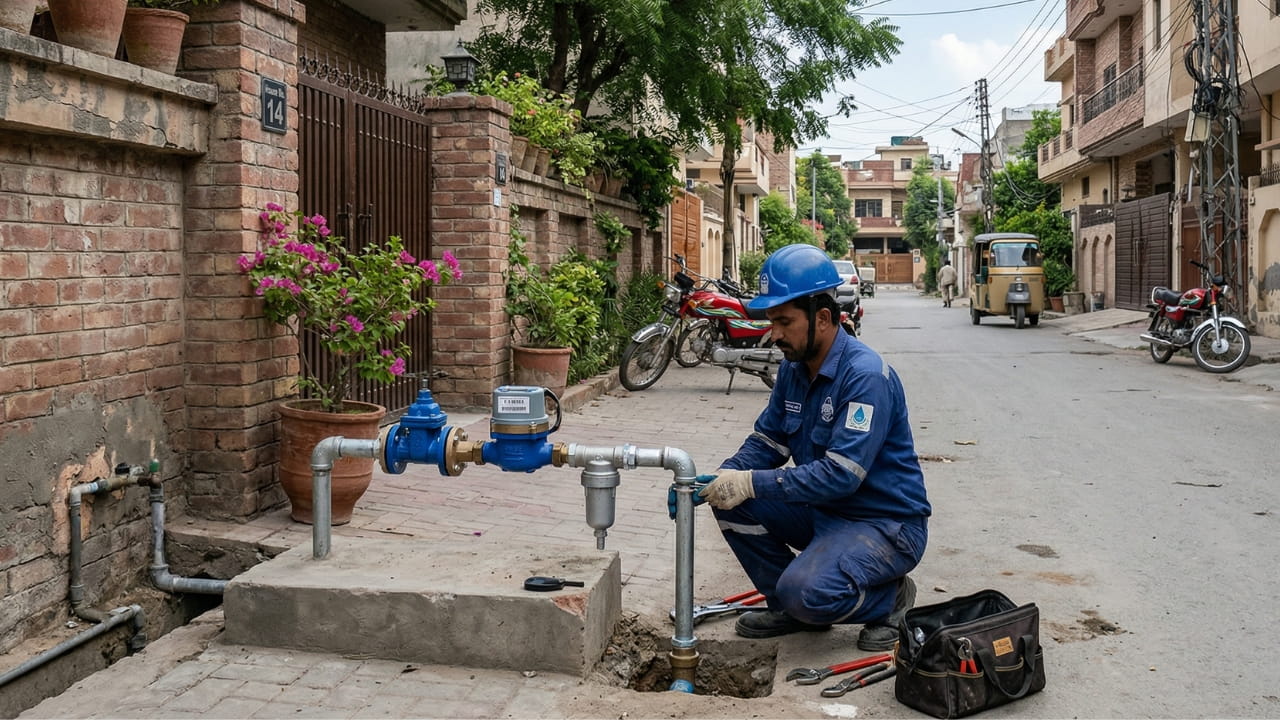
In a major policy shift, the Punjab government has officially ended the era of free, unmetered water. The provincial administration has begun installing new water meters across 41 cities, meaning residents will now receive monthly bills based on their actual water consumption.
This decision, led by Chief Minister Maryam Nawaz, applies specifically to Pakistani Punjab and is being implemented through the Water and Sanitation Agency. The move aims to stop water theft, eliminate illegal connections, and encourage conservation. Free water is being replaced with a metered, paid utility system, similar to electricity and gas.
Why Did the Punjab Government Introduce Paid Water?
For decades, most households in Punjab paid a fixed annual fee, often under Rs1,000, regardless of how much water they used. This system led to massive water wastage with no financial incentive to save water, illegal hydrants and theft with unauthorized connections draining groundwater, and revenue shortfalls where WASA lacked funds to maintain pipelines and sewage systems.
The new metering system directly addresses these pain points. Now, every liter used will be measured and billed. No more paying the same flat rate while your neighbor wastes water. You only pay for what you use.
| Feature | Detail |
|---|---|
| Scope | 41 cities including Lahore, Rawalpindi, Faisalabad, Multan, Gujranwala |
| Billing Method | Monthly bill based on actual consumption in liters used |
| Agency in Charge | WASA (Water and Sanitation Agency) |
| Project Cost | Part of a Rs5 billion initiative |
| Project Director | Shazil Waqar (BS-19 officer) |
Which Cities Are Affected?
The project is rolling out across all major urban centers under WASA's jurisdiction. These include Lahore, all WASA-supplied areas; Rawalpindi, cantonment and municipal zones; Faisalabad, high-consumption residential sectors; Multan, old city and new housing schemes; as well as Gujranwala, Sialkot, Sahiwal, Sargodha, and more than 33 other cities.
If you live in any of these cities and receive WASA water, you will eventually get a meter. Private borewells and groundwater pumps are not yet covered by this metering policy. Only WASA-supplied piped water is included.
Key Cities Receiving Water Meters
Public Concerns: What Are People Saying?
Many residents have expressed worries about the new system. Officials claim that most households using normal amounts, under 20,000 liters per month, will pay less than current flat rates, while heavy users will pay more. The government says initial meter installation is free for existing connections, though new connections may require payment. WASA has promised a complaint helpline and verification process for those concerned about meter accuracy.
If you use water responsibly, you may pay the same or even less. The goal is fairness, not extra taxes.
How to Reduce Your Water Bill
- Fix leaking taps and toilets. A leaking tap can waste 500 or more liters per day.
- Use buckets instead of hoses for car washing.
- Reuse RO waste water for plants or cleaning.
- Take shorter showers.
- Install water-efficient fixtures.
Frequently Asked Questions
Is it true that the Punjab government has made water usage paid?
Yes. The Punjab government has officially started installing water meters across 41 cities. Unmetered free water is being phased out.
Does this apply to all of Punjab?
This applies to Pakistani Punjab only. Within Pakistani Punjab, it covers cities served by WASA. Rural areas with tube wells are not yet included.
Will I get a water bill every month?
Yes. Once your meter is installed, WASA will issue monthly bills based on your actual consumption in liters.
What happens if I do not pay my water bill?
WASA can disconnect your water connection for non-payment, similar to electricity or gas disconnection. Reconnection may require paying arrears plus a fee.
Can I refuse to have a water meter installed?
For WASA-supplied connections, installation is mandatory. Refusing may lead to disconnection. However, you can file a complaint if the meter is faulty.
Is there any subsidy for poor households?
The government has hinted at a lifeline tariff with very low rates for minimal usage, such as the first 5,000 liters free or heavily subsidized. Official details are expected soon.
When will my area get meters?
Installation is being done in phases. Major cities like Lahore and Rawalpindi are first. WASA will notify residents before installation in their street.
The Bottom Line
The Punjab government's decision to make water usage paid is a historic shift from a flat-rate to a consumption-based system. While change always brings anxiety, the long-term benefits include less water waste, fairer bills where heavy users pay more, better maintenance of water infrastructure, and reduced groundwater depletion.
For the average careful household, the impact on monthly expenses will be minimal or even positive. For those who waste water, the new bills will be a wake-up call.
Water is becoming precious. This is not about punishing people. It is about making sure we have enough for our children. Use wisely, pay fairly.
Stay updated with official WASA announcements for meter installation schedules in your city.
Share this Current Affairs Update:
Leave a Comment
Your feedback is important to us. Submitted comments are kept private and are for internal review only.