US-Iran Talks in Pakistan End Without a Deal: What Happened and What's Next?
Published by VerseZip Current Affairs Desk
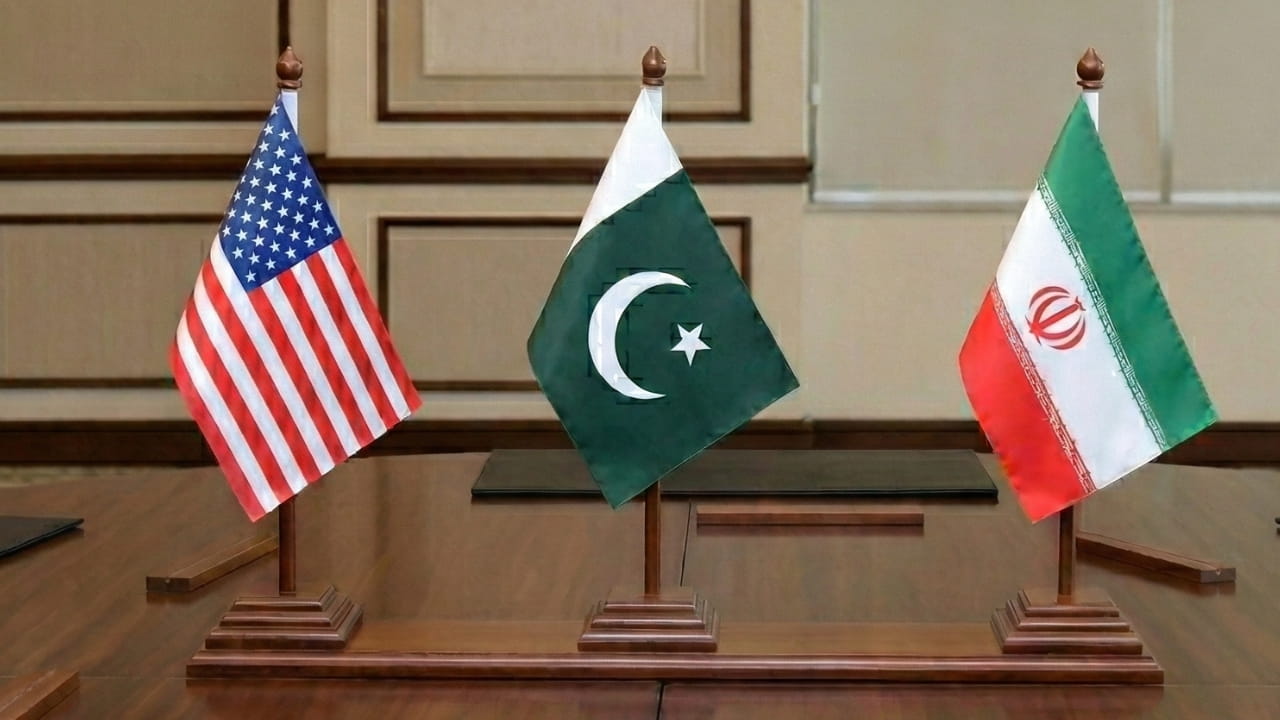
After more than 21 hours of intense, marathon negotiations in Pakistan's capital, the high-stakes talks between the United States and Iran ended on Sunday without a breakthrough agreement.
US Vice President JD Vance, who led the American delegation, confirmed that Iran chose not to accept their terms. The Iranian side, however, said no one realistically expected a deal in a single session after decades of mistrust and six weeks of active warfare.
The Big Picture: Why These Talks Mattered
This was the highest-level direct meeting between the United States and Iran since the 1979 Islamic Revolution. For nearly 50 years, American and Iranian officials have rarely sat across the same table. The last time they did at this level was during the Obama-era nuclear deal negotiations.
The meeting came at a critical moment. The US and Israel launched a war on Iran on February 28, 2026, which quickly spread across the Middle East. Thousands of people have been killed. The Strait of Hormuz, through which about 20 per cent of the world's oil passes, has been blocked by Iran, causing global energy prices to skyrocket. Pakistan stepped in as a mediator and managed to broker a fragile two-week ceasefire before bringing both sides to the table in Islamabad.
What Actually Happened: A Timeline of the Talks
| Date | Event |
|---|---|
| Friday, April 10 | Iranian and US delegations arrive in Islamabad |
| Saturday, April 11 | First round of direct talks begins; negotiations continue through the night |
| Sunday, April 12 | After 21 hours, Vance announces no agreement reached; departs Islamabad |
Inside the Negotiations
According to Pakistani sources, the meeting was tense. One source described it this way: "There were mood swings from the two sides and the temperature went up and down during the meeting."
Vice President Vance had originally planned to leave early Sunday morning. But at Pakistan's request, he extended his stay as negotiators pushed for a potential agreement.
Why Did the Talks Fail? The Main Sticking Points
According to multiple sources and officials, the talks collapsed due to disagreements on several key issues.
| Issue | US Position | Iran Position | Status |
|---|---|---|---|
| Nuclear Program | Zero enrichment; no nuclear weapons or tools | Right to enrich uranium for peaceful purposes | Deadlocked |
| Strait of Hormuz | Free and open passage for all vessels | Control and right to collect transit fees | Deadlocked |
| Lebanon Ceasefire | Separate issue to be handled by Israel | Must be included in ceasefire | Deadlocked |
| Sanctions and Assets | Concessions before any relief | Relief and access to frozen assets first | Chicken-and-egg |
| War Reparations | No comment | Compensation for damage during war | Unresolved |
Key Quotes from Both Sides
- US Vice President JD Vance: "The bad news is that we have not reached an agreement, and I think that's bad news for Iran, much more than it's bad news for the United States of America. They have chosen not to accept our terms."
- Iranian Parliament Speaker Mohammad Bagher Ghalibaf: "Before the negotiations, I emphasized that we have goodwill and the necessary will, but due to the experience of the two previous wars, we do not trust the other side."
- Former Iranian Foreign Minister Javad Zarif: "No negotiations, at least with Iran, will succeed based on 'our or your terms.' The US must learn: you can't dictate terms to Iran."
How Did Pakistan's Mediation Role Work?
Pakistan played an extraordinary role in bringing these two adversaries to the table. Islamabad brokered the initial two-week ceasefire, convinced both sides to send high-level delegations, hosted nearly 31 hours of continuous diplomatic engagement, and kept channels of communication open even when tensions flared.
A government source described Pakistan's involvement as a historic diplomatic innings, a cricket term that perfectly captures the effort and endurance required. Deputy Prime Minister and Foreign Minister Ishaq Dar played the central mediatory role, alongside Prime Minister Shehbaz Sharif and Army Chief General Asim Munir. Vance himself acknowledged Pakistan's efforts, thanking Sharif and General Munir for trying to bridge the gap between Washington and Tehran.
What Happens Now? The Current Situation
The Ceasefire Is Fragile But Holding
The two-week ceasefire brokered by Pakistan is still technically in place. However, it is under serious strain. In Lebanon, Israeli strikes have continued. On Sunday alone, at least six people were killed in the Tyre district of southern Lebanon. Prime Minister Benjamin Netanyahu has said Israel will not accept a ceasefire with Hezbollah. In the Strait of Hormuz, the waterway remains blocked by Iran. The US military has said it is setting the conditions to begin clearing mines, but no operation has started yet.
The Door Is Not Completely Closed
Despite the failure to reach an agreement, several signs suggest talks could resume. Vance said the US is still giving Iran time to consider the offer. Iran's government posted that negotiations will continue despite some remaining differences and that technical experts from both sides would exchange documents. Pakistan has pledged to continue facilitating dialogue.
Main Takeaways
Frequently Asked Questions
Did the US and Iran reach any agreement in Pakistan?
No. After 21 hours of talks, US Vice President JD Vance announced that no agreement had been reached, saying Iran chose not to accept their terms.
Why did the talks fail?
The main sticking points were Iran's nuclear program with the US wanting zero enrichment while Iran wants some rights, control of the Strait of Hormuz with Iran wanting tolls and the US wanting free passage, and whether the ceasefire includes Lebanon with Iran saying yes and the US and Israel saying no.
What was Pakistan's role in the talks?
Pakistan brokered the initial two-week ceasefire and hosted the talks in Islamabad. Officials described Pakistan's involvement as a historic diplomatic innings, strictly as a neutral facilitator, not a participant in the negotiations.
Is the ceasefire still holding?
The two-week ceasefire is technically still in place, but it is fragile. Israeli strikes continue in Lebanon, and the Strait of Hormuz remains blocked by Iran.
Will there be more talks?
Possibly. Vance left a final and best offer on the table, saying the US would see if the Iranians accept it. Iran has indicated that technical-level discussions could continue.
What is the Strait of Hormuz and why does it matter?
The Strait of Hormuz is a narrow waterway between Iran and Oman through which about 20 per cent of the world's oil passes. Iran has blocked it during the war, causing global energy prices to spike.
What Should You Watch For in the Coming Days?
- Will Iran accept the US final offer? Vance left the ball in Tehran's court. How Iran responds will determine if talks resume.
- What happens in Lebanon? Israeli strikes continue despite the ceasefire. If the fighting escalates significantly, Iran may walk away from the truce entirely.
- Will the Strait of Hormuz reopen? The US military is preparing to clear mines. If that operation begins without Iranian consent, it could trigger a new round of conflict.
- Can Pakistan keep the process alive? Islamabad has invested enormous diplomatic capital in this mediation and is likely to continue facilitating.
The Bottom Line
The US and Iran have not reached a deal after marathon talks in Pakistan. The two sides remain far apart on nuclear issues, control of the Strait of Hormuz, and whether the ceasefire includes Lebanon.
However, this is not necessarily the end of the road. Both sides have indicated a willingness to continue discussions at the technical level. Pakistan has pledged to keep facilitating. And the ceasefire, though fragile, is still holding.
As one Iranian official put it, no one realistically expected a single session to resolve nearly 50 years of mistrust and six weeks of war. The question now is whether both sides have the patience, and the political will, to keep trying.
This article was last updated on April 12, 2026, based on official statements from US and Iranian officials, Pakistani government sources, and international news reports. The situation remains fluid, and new developments may occur rapidly.
Share this Current Affairs Update:
Leave a Comment
Your feedback is important to us. Submitted comments are kept private and are for internal review only.